How Much Data Do You Need in Ireland? 2026 Usage Guide
Data planning for Ireland, with a rural-west twist
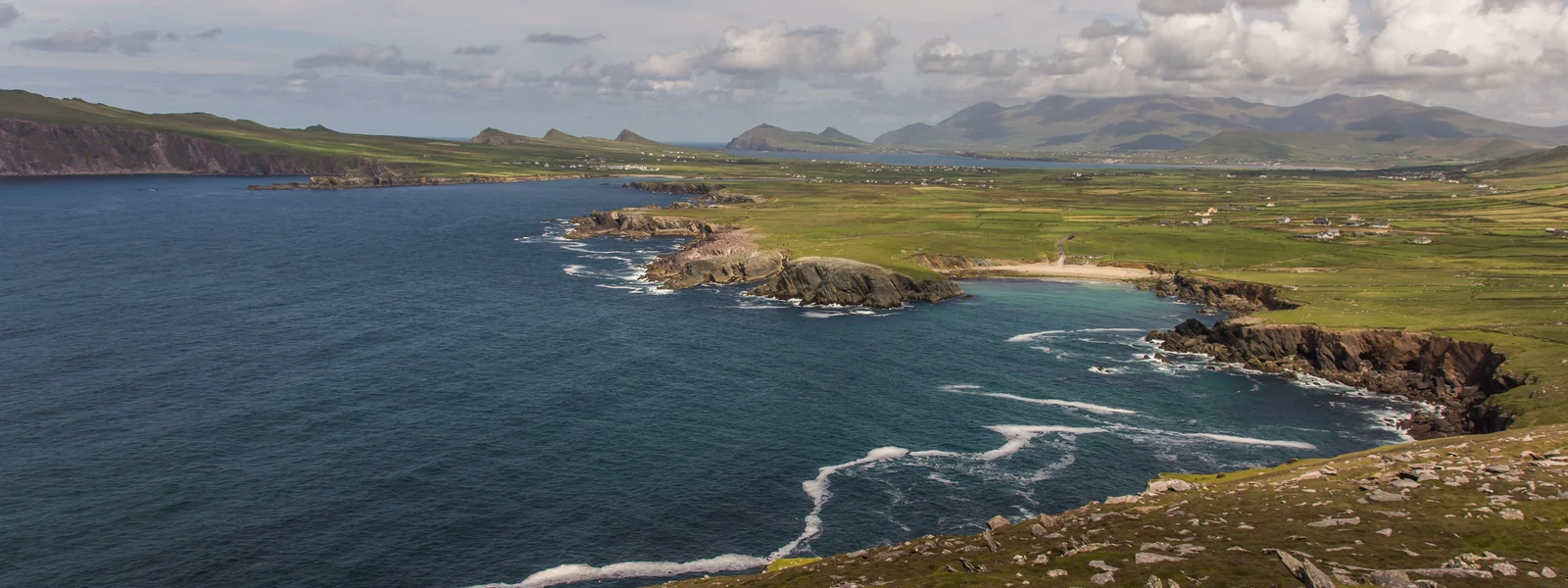
Most connectivity mistakes in Ireland come down to buying the wrong amount of data, and Ireland adds a twist: your usage is lumpy because the cities, towns, and main roads are well covered while the rural west, Connemara, Donegal, Kerry, and the wilder Wild Atlantic Way, has genuine gaps. You will use data freely in Dublin and on the motorways, then little crossing remote Connemara. This guide gives the concrete per-activity numbers, turns them into plan recommendations by trip length, and accounts for the Irish reality so you size for your connected time and prepare offline maps for the rest.
What each activity really costs in data
The per-hour and per-action reality. Maps and navigation are light, about 5 to 10 MB per hour of active use, and downloading offline maps once removes even that, which matters in Ireland given the rural gaps. Messaging and email are trivial, a few megabytes a day. Social media scrolling is heavier than people expect because of autoplay video, roughly 100 to 250 MB per hour. Music streaming runs about 50 to 150 MB per hour.
Video streaming is the big one: standard definition around 0.5 to 1 GB per hour, high definition 1.5 to 3 GB per hour, and 4K far more, so one HD film can be your whole small plan. Video calls run roughly 0.5 to 1.5 GB per hour. Tethering a laptop is a multiplier on all of the above. In Ireland, the temptation to stream on fast city 5G is real, but remember you will have stretches of little signal in the rural west where you cannot use data, which paradoxically conserves it.
Daily totals by traveler type
Combining those activities into realistic days gives three profiles. The light traveler maps, messages, checks email, posts a few photos, and avoids mobile streaming, using around 300 to 500 MB a day. The typical traveler adds social scrolling, some music, the odd video, and a daily video call home, using around 700 MB to 1 GB a day. The heavy traveler streams, tethers a laptop, uploads content, or works online, using 2 GB and up.
Be honest about which you are, but in Ireland add a geographic adjustment: if your trip includes significant time in the rural west or along the wilder Wild Atlantic Way, your real data use will be lower than your profile suggests, because you will spend stretches with little or no signal. A trip that is half Dublin and half Connemara will use far less data in the Connemara portion. Conversely, a city-focused trip will use data at the full rate of your profile.
Turning daily use into a plan size
Multiply your daily total by your number of days, then add roughly 20 to 30 percent headroom, but adjust down if a big chunk of your trip is in the rural west. A light traveler on a 7-day city trip needs about 3 to 5 GB. A typical traveler on the same week needs 7 to 10 GB. A heavy traveler should look at 15 to 20 GB for a week, or a high-cap regional plan.
For a 2-week trip, roughly double those figures, though daily use often dips a little on longer trips. For a month, the digital nomad satellite does the dedicated math, with a typical month-long stay running 20 to 30 GB. The Ireland-specific adjustment is that a trip with substantial rural-west time will use less data than a pure city trip of the same length, because the remote areas have little signal, so do not over-buy for a Wild Atlantic Way itinerary, but do prepare thorough offline maps for those stretches.
How to use less and handle the rural gaps
To stretch a smaller plan and, more importantly, to function in Ireland's rural-west gaps, offline preparation is the key. Download offline maps for every region before you go, which removes navigation from your data budget and, critically, keeps you navigating through Connemara, Donegal, Kerry, and the remote Atlantic coast where you would otherwise be lost. This is the single most important data and safety habit for an Irish trip beyond the cities.
Cache music playlists and podcasts on wifi before journeys, especially long drives through the rural west where there is little signal to stream. Set streaming apps to standard definition on mobile, which halves video data. Use wifi for big downloads, app updates, and cloud backups. Turn off autoplay in social apps. For Ireland specifically, the offline-maps habit is not just about saving data; it is about being able to navigate and stay oriented in genuinely remote terrain where the mobile network does not always reach, which is a real consideration on the wilder stretches of the Wild Atlantic Way.
Real example trips and what they used
Concrete examples make this click. A couple on a four-day Dublin city break, navigating the city, sharing photos, posting each evening, and making a nightly video call home, used a little over 5 GB between two phones, around 2.5 GB each, having bought 5 GB each with comfortable margin. A solo traveler on a ten-day trip combining Dublin, Galway, and a Wild Atlantic Way drive through Connemara and Kerry used only about 7 GB despite the long itinerary, because the rural portions had so little signal that they relied largely on pre-downloaded offline maps for days at a time.
A remote worker spending a month in Dublin, taking daily video calls and tethering part of the time, used around 27 GB, covered by a 30 GB monthly plan. These patterns show Ireland's lumpiness: city and remote-work use runs at the normal rate, but any trip with significant rural-west time uses surprisingly little data, because the gaps do the rationing. The lesson is to size for your connected city time, not your total days, and to invest your real preparation effort in offline maps rather than excess data you cannot use where there is no signal.
The bottom line on Ireland data
For most visitors the right answer is between 5 and 10 GB for a week, on a plan with a validity window that comfortably covers the trip, and on Vodafone or Three if your itinerary leaves the cities. Buy to your honest estimate, but adjust down if a large part of your trip is in the rural west, where you will use little data. Topping up is quick and cheap if you do run low in the cities.
Above all, pair whatever data size you choose with thorough offline maps for your whole route, which is the single most valuable habit for an Irish trip given the genuine rural-west gaps, both for navigation and for orientation on the wilder Wild Atlantic Way. And remember an Ireland plan covers only the Republic; if your trip includes Northern Ireland or Britain, a Europe regional plan keeps you connected across the border. Quality Ireland data plans start from around $4 for the smallest useful size, scaling up gently. Plan for your connected time, choose a strong network for rural trips, and prepare offline maps for the empty stretches, and you will be well served across Ireland.
A final note on the rural west
A final note on Ireland's distinctive data pattern, worth internalizing because it differs from flat, dense countries: the rural west does your data rationing for you. In Connemara, remote Donegal, the Kerry peninsulas, and the wilder Wild Atlantic Way, you cannot use much data because the signal is thin or absent, so a rural-west-heavy trip uses surprisingly little, while a city trip uses data at the full fast-network rate. This means the most important thing you can do for an Irish trip beyond the cities is not to buy more data but to prepare more offline maps, since the data you cannot use in the thin-signal areas is worthless compared with the offline navigation that actually keeps you oriented there.
Size your data for your connected city time, choose Vodafone or Three for the best coverage in the rural patches that do have signal, and invest your real preparation effort in comprehensive offline maps for the genuine gaps. And keep the jurisdiction split in mind: an Ireland plan covers only the Republic, so if your trip includes Northern Ireland or Britain, a Europe regional plan keeps you connected across the invisible border. Get that balance right, sizing for connected time, choosing a strong network, preparing offline maps, and handling the border with a regional plan if needed, and you will be well served across Ireland, data-rich in the cities and self-sufficient with offline maps where the network does not reach. Quality Ireland data plans start from around $4 for the smallest useful size, scaling up gently, which is the right approach for a country with Ireland's genuine coverage contrasts.
Plans for Ireland
Ireland eSIM plans
Prices in USD. Instant QR activation. Pick your data, land connected.
FAQ
How much data and what kind of plan do travelers need in Ireland?
Most connectivity mistakes in Ireland come down to buying the wrong amount of data, and Ireland adds a twist: your usage is lumpy because the cities, towns, and main roads are well covered while the rural west, Connemara, Donegal, Kerry, and the wilder Wild Atlantic Way, has genuine gaps. You will use data freely in Dublin and on the motorways, then little crossing remote Connemara. This guide gives the concrete per-activity numbers, turns them into plan recommendations by trip length, and accounts for the Irish reality so you size for your connected time and prepare offline maps for the rest.
What each activity really costs in data?
The per-hour and per-action reality. Maps and navigation are light, about 5 to 10 MB per hour of active use, and downloading offline maps once removes even that, which matters in Ireland given the rural gaps. Messaging and email are trivial, a few megabytes a day. Social media scrolling is heavier than people expect because of autoplay video, roughly 100 to 250 MB per hour. Music streaming runs about 50 to 150 MB per hour.
What should travelers know about real example trips and what they used in Ireland?
Concrete examples make this click. A couple on a four-day Dublin city break, navigating the city, sharing photos, posting each evening, and making a nightly video call home, used a little over 5 GB between two phones, around 2.5 GB each, having bought 5 GB each with comfortable margin. A solo traveler on a ten-day trip combining Dublin, Galway, and a Wild Atlantic Way drive through Connemara and Kerry used only about 7 GB despite the long itinerary, because the rural portions had so little signal that they relied largely on pre-downloaded offline maps for days at a time.
What should travelers know about a final note on the rural west in Ireland?
A final note on Ireland's distinctive data pattern, worth internalizing because it differs from flat, dense countries: the rural west does your data rationing for you. In Connemara, remote Donegal, the Kerry peninsulas, and the wilder Wild Atlantic Way, you cannot use much data because the signal is thin or absent, so a rural-west-heavy trip uses surprisingly little, while a city trip uses data at the full fast-network rate. This means the most important thing you can do for an Irish trip beyond the cities is not to buy more data but to prepare more offline maps, since the data you cannot use in the thin-signal areas is worthless compared with the offline navigation that actually keeps you oriented there.
Can I cancel an eSIM purchase if I do not use it?
Yes. An unused eSIM can be cancelled within 30 days as long as it has not been used on the destination network. Once it has connected and been used, this condition no longer applies.