Bulgaria eSIM Guide 2026
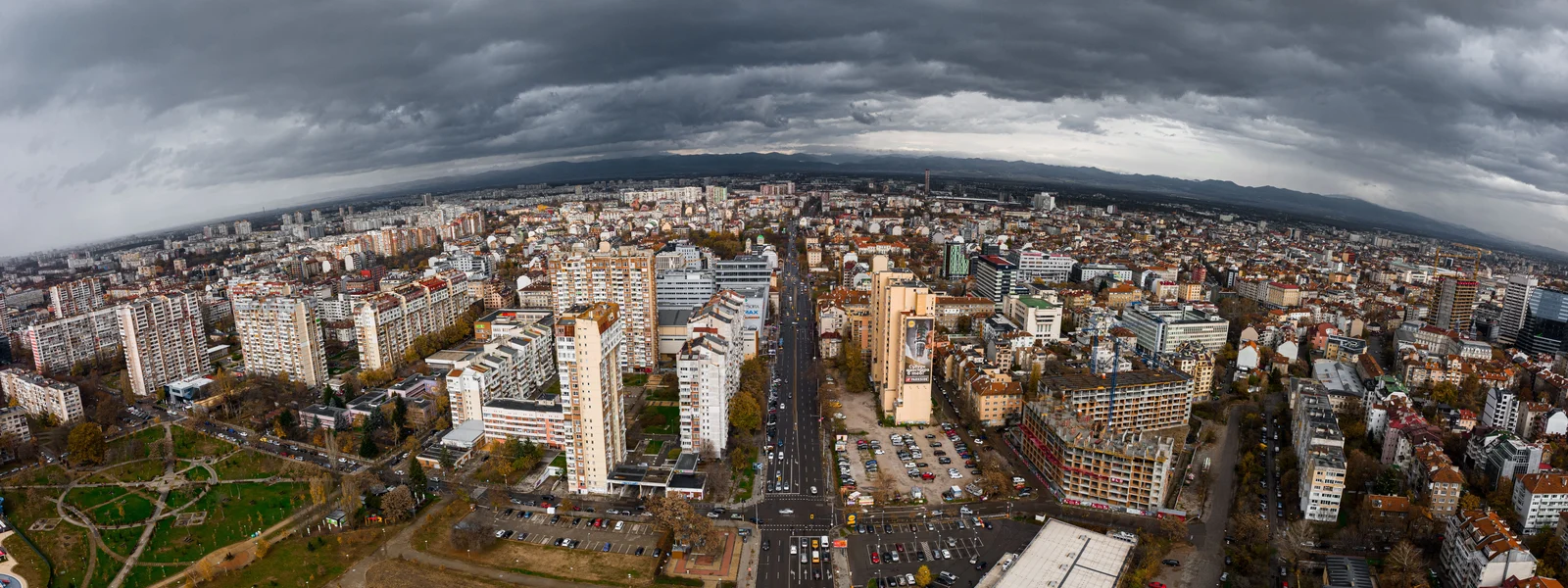
I have spent real time in Bulgaria, and it is a country that quietly rewards the connected traveller while occasionally testing them in the mountains. Sofia sits in a bowl beneath Vitosha, a capital that is cheaper and more relaxed than most European peers, with fast mobile data that costs very little. Drive east and the land opens toward the Black Sea coast, where Varna and Burgas anchor a long string of resorts that fill in summer and empty in winter. Turn inland and you climb into the Rila and Pirin ranges, some of the highest in the Balkans, where the famous Rila Monastery hides in a forested valley and where mobile coverage starts to behave like mountain coverage everywhere, strong in the towns and patchy on the passes and trails. Plovdiv, with its Roman theatre and its lovingly restored old town, rivals Sofia for atmosphere and is just as well connected. The practical backdrop to all of this is encouraging. Bulgaria is a European Union member, which matters enormously for roaming, though it still uses its own currency, the lev, rather than the euro, so prices are quoted in a currency many visitors meet for the first time here. The mobile market is competitive, served by three national operators, and data is among the cheaper offerings in Europe, so you can be generous with your plan without spending much. For visitors from another EU country, existing roaming usually covers Bulgaria under the carrier terms, which changes the eSIM question entirely. For everyone arriving from outside the European Union, from the United States, the United Kingdom, the Gulf or Asia, standard roaming is punishing and a travel eSIM is the obvious, cheap solution. The aim is simple, to help you arrive in Sofia already online, navigate the coast and the mountains with confidence, and never face a surprise bill, whether you are here for a long weekend in the capital, a summer on the Black Sea, or a winter of skiing and monasteries in the Rila.
Why connectivity in Bulgaria is easier than you expect
Bulgaria surprises many visitors with how good and how cheap its mobile data is, a pleasant contrast to the assumptions people sometimes carry into the Balkans. The country has a competitive three operator market, and that competition has kept prices low and pushed network quality up, so in Sofia, Plovdiv, Varna, Burgas and the other cities you get fast, stable data for a fraction of what the same allowance costs in western Europe. The cities enjoy widespread 5G and dense 4G, so streaming, video calls, navigation and the apps you rely on all work without a second thought. For a traveller, this means connectivity in populated Bulgaria is genuinely a non issue, and the only place it demands thought is the mountains, where geography rather than any failing of the networks creates the usual gaps. The European Union membership is the other piece of good news, because it brings Bulgaria inside the carrier rules, so visitors from other EU countries simply use their existing allowance with no extra cost or setup. Those arriving from outside the EU face the familiar choice between brutal roaming and a cheap eSIM, and for them the eSIM is the clear answer. The combination of cheap data, a competitive market, carrier coverage area and solid urban coverage means that staying online in Bulgaria is, for most travellers, easy and inexpensive, and this guide is mostly about helping you make the few decisions that matter, which category of traveller you are, how much data to buy, which host network suits your itinerary, and how to handle the mountain coverage gaps that are the only real complication.
The lev, the EU, and what it means for your phone
Bulgaria occupies an interesting position that directly shapes the connectivity question, because it is a full member of the European Union while still using its own currency, the lev, rather than the euro. The EU membership is what matters most for your phone. It means Bulgaria falls under the carrier rules that let travellers from other EU countries use their domestic mobile allowance here under the carrier terms, so a visitor from Germany, France, Poland or anywhere else in the union simply arrives and their phone works as at home, subject only to the fair use limits that rarely bite on a normal trip. This single fact removes the need for an eSIM for a large share of European visitors, and the honest first step for anyone with an EU plan is to check their existing allowance before spending anything. The lev, by contrast, affects your wallet rather than your connection. Prices in Bulgaria are quoted in lev, and while this guide uses US dollars for clarity, you will see lev on the ground, so it helps to glance at the exchange rate before you travel so the numbers make sense. For the connectivity question specifically, the currency is largely irrelevant, because whether you use EU carrier terms or buy a travel eSIM, the cost is determined by your home plan or your eSIM provider rather than by Bulgarian retail prices. The key takeaway is to separate the two facts in your mind. The EU membership is the one that decides whether you need an eSIM at all, working in favour of EU plan holders, while the lev is simply the currency you will spend on everything else, and a cheap currency at that, since Bulgaria remains one of the most affordable destinations in the European Union.
Who actually needs an eSIM here
The most important question for any Bulgaria visitor is whether they need a travel eSIM at all, and the answer divides cleanly along one line, whether your home mobile plan comes from inside or outside the European Union. If you hold a plan from another EU country, the carrier rules mean your domestic data, calls and texts travel with you into Bulgaria under the carrier terms, so your phone simply works on arrival and an eSIM is usually unnecessary. The only caveats are the fair use policies that cap very heavy or very long use, which almost never affect a normal holiday, so for the great majority of EU travellers the advice is to use what you already have and keep an eSIM in mind only as a backup for an unusually long stay. The picture reverses completely for visitors from outside the European Union. A traveller arriving from the United States, the United Kingdom, the Gulf, Asia, Australia or anywhere else without an EU plan faces standard international roaming, and in Bulgaria that can run to several dollars per megabyte, which means a single navigation session or a few minutes of video can cost more than an entire travel eSIM for the whole trip. For these visitors, an eSIM is not a nicety but the obvious sensible choice, turning a potential bill shock into a few cheap dollars of plentiful data. So before anything else, place yourself in one of these two camps. EU plan holders, relax and use your roaming. Everyone else, plan to buy an eSIM, disable roaming on your home line, and enjoy Bulgaria's cheap fast data without fear. The rest of this guide assumes you have made that determination and helps you act on it.
What data really costs in Bulgaria
Bulgaria offers some of the better value mobile data in Europe, and understanding the real costs helps you buy sensibly rather than over or under spending. On a travel eSIM, Bulgarian data is inexpensive, with per gigabyte costs that sit comfortably below western European levels, reflecting the country's competitive market and lower price base. This means you can be generous with your plan, buying a larger allowance for peace of mind without the cost stinging, which is a welcome change from countries where every gigabyte is dear. The local prepaid SIM market is even cheaper in absolute terms, since Bulgarian operators sell generous data bundles at low domestic prices, but accessing those means buying in person with a passport, which adds friction that most short term visitors will not want to bother with. For an eSIM buyer, the practical figures are encouraging. A plan large enough for a typical week of travel costs only a few dollars, and even a generous allowance sized for heavy use or a longer stay remains affordable. Compared with the alternative of standard roaming for a non EU visitor, which can reach several dollars per megabyte, the eSIM is dramatically cheaper, often by a factor of hundreds once you account for real usage. The currency detail is worth restating. On the ground prices appear in lev, and Bulgaria's low cost of living means everything from data to coffee to accommodation is cheaper than in most of the EU, so a travel budget stretches further here. For connectivity specifically, the bottom line is simple and pleasant. Whether you use EU under the carrier terms or buy a cheap eSIM as a non EU visitor, staying online in Bulgaria costs very little, and there is no reason to ration data anxiously when an extra few gigabytes adds only a dollar or two to the bill.
Coverage from the cities to the mountains
Bulgaria's coverage follows a pattern familiar across much of Europe, excellent in the populated areas and variable in the mountains, and knowing the shape of it lets you plan around the gaps. The cities and larger towns, Sofia, Plovdiv, Varna, Burgas, Ruse, Stara Zagora and the rest, enjoy strong, fast coverage with widespread 5G and dense 4G, so anywhere you are likely to spend most of your time, the connection is quick and reliable. The Black Sea coast, a major summer destination, is well covered along the resort strip from the northern beaches down through Varna and Burgas to Sunny Beach and the southern resorts, so a coastal holiday keeps you fully online. The main roads and the populated valleys are similarly well served. Where coverage thins is the mountains, and Bulgaria has a lot of them. The Rila, Pirin and Rhodope ranges, the high passes, the ski areas out of season, the remote monasteries and the hiking trails all have the patchy coverage that mountains impose everywhere, strong near the towns and resorts but fading on the heights and in the deep valleys. The famous Rila Monastery, tucked in its forested valley, and the high trails of the Rila and Pirin national parks are places where you should expect to lose signal. This is not a network failing but simple geography, and the response is the standard one, downloading offline maps before heading into the mountains so navigation continues regardless, and choosing an eSIM on a strong host network for the best rural reach. With that preparation, Bulgaria's coverage serves the traveller well, fast and effortless where most time is spent and gracefully managed in the high country where disconnection is part of the appeal.
The Bulgarian operators behind your eSIM
A travel eSIM in Bulgaria connects to one of the country's three national operators, and knowing who they are helps you understand the coverage behind your plan. The three are A1 Bulgaria, Yettel and Vivacom, and together they cover the country between them, competing hard in a market that has kept prices low and quality high. A1 Bulgaria is part of the wider A1 group active across central and eastern Europe, with an extensive network and strong coverage across the country. Yettel, which operates under that brand following a rebranding from its previous identity, is another major player with broad coverage and a solid network. Vivacom, the long established national operator with deep roots in the country's telecoms history, has wide reach and is often noted for strong coverage including in rural and mountainous areas, a legacy of its incumbent status. For a traveller, the names matter mainly because your eSIM rides one of these networks, and the host network shapes your coverage especially outside the cities. In the urban areas and along the coast, all three deliver fast, reliable service, so for city and beach travel any of them is fine and you can choose on price and allowance. For trips into the mountains, the rural interior or the remote monasteries, a plan riding a network with strong rural reach is preferable, and Vivacom in particular has a reputation for extensive coverage in the harder to reach areas. Some eSIM plans connect to multiple Bulgarian networks and let the phone pick the strongest, which is ideal for wide ranging travel. The competition between these three operators is the reason Bulgarian data is so cheap and good, and whichever network your eSIM uses, you benefit from a market shaped to deliver plentiful affordable data.
Buying and setting up before you fly
The smoothest way to handle connectivity in Bulgaria is to sort it out before you leave home, and for an eSIM that means a few simple steps done from the comfort of a reliable wifi connection. First, confirm your phone supports eSIM and is not locked to your home carrier, which covers almost every recent iPhone and flagship or mid range Android. Second, buy a Bulgaria eSIM from a reputable provider, sized to your trip length and expected use, ideally one that names the host network and allows hotspot sharing if you plan to tether. Third, install the eSIM profile while still at home, scanning the supplied QR code or using the provider app to load the profile onto your phone, where it sits dormant without starting the validity clock in most cases. Doing this at home rather than at the airport removes all the stress, because installation needs internet and is far easier on familiar wifi. Then, when you land in Sofia, Varna or wherever you arrive, you switch on the eSIM line for data, leave your home SIM in place for calls and verification texts but with its data roaming disabled, and within a minute or two you are connected to a Bulgarian network, walking out of the terminal already online. The validity period typically starts on first connection, so installing early costs you nothing. This routine, confirm the phone, buy ahead, install at home, activate on arrival, turns connectivity from a potential first day headache into a non event, and it is the same simple pattern that works across Europe. For EU visitors relying on roaming instead, even this is unnecessary, since their phone simply works, though disabling any data hungry background tasks remains wise. The detailed step by step lives in the dedicated setup guide among the satellites.
A connected trip across Bulgaria
Put together, the connectivity story for Bulgaria is one of cheap, fast data that serves the traveller well across a varied and rewarding country, with only the mountains demanding a little forethought. A typical trip might begin in Sofia, the relaxed capital beneath Vitosha, where you arrive and activate your eSIM and immediately have the data to navigate, summon a ride, and explore the mix of Roman ruins, Ottoman mosques, Orthodox cathedrals and communist era monuments that layer the city. From there the country opens in several directions. East lies the Black Sea coast, well covered and summer focused, where Varna and Burgas anchor a long resort strip and your eSIM keeps you online through the beach days. South and west rise the great mountains, the Rila with its monastery and its seven glacial lakes, the Pirin with its peaks, the Rhodope with its villages and traditions, where coverage thins and offline maps come into their own. Plovdiv, one of Europe's oldest continuously inhabited cities, offers its Roman theatre and its enchanting old town, fully connected. Throughout, the same eSIM works nationwide, so a single plan carries you from capital to coast to mountains without any change, the data cheap and plentiful in the connected areas and your downloaded maps covering the gaps. For EU visitors, their home roaming does the same job under the carrier terms. The result is a country where connectivity quietly supports the journey rather than complicating it, where you can plan and book on the move, stay in touch through messaging apps, and share the experience as you go, all for very little, leaving you free to focus on a destination that offers extraordinary value and variety, from city culture to summer beaches to some of the most beautiful mountains in the Balkans.
Buyer guide
Comparison
Coverage
Operators
Data planning
How-to
Apps
Use case
Region
Black Sea Coast eSIM Guide
How to stay connected along Bulgaria's Black Sea coast with an eSIM, from Varna and Burgas to the resorts, with coverage and data tips.
Read the guide →🗺️RegionSofia eSIM Guide
Everything you need to stay connected in Sofia with an eSIM, from coverage and speeds to data needs for exploring the Bulgarian capital.
Read the guide →Networks available by plan
The network depends on the plan you choose. These are the published operators for the first six plans currently sold.
| Plan | Published operators |
|---|---|
| 1 GB · 7 days | A1, Vivacom, Yettel |
| 3 GB · 15 days | A1, Vivacom, Yettel |
| 5 GB · 30 days | A1, Vivacom, Yettel |
| 10 GB · 30 days | A1, Vivacom, Yettel |
| 20 GB · 30 days | A1, Vivacom, Yettel |
| 50 GB · 30 days | A1, Vivacom, Yettel |
Bulgaria eSIM FAQ
What coverage and network performance should travelers expect in Bulgaria?
Bulgaria's coverage follows a pattern familiar across much of Europe, excellent in the populated areas and variable in the mountains, and knowing the shape of it lets you plan around the gaps. The cities and larger towns, Sofia, Plovdiv, Varna, Burgas, Ruse, Stara Zagora and the rest, enjoy strong, fast coverage with widespread 5G and dense 4G, so anywhere you are likely to spend most of your time, the connection is quick and reliable. The Black Sea coast, a major summer destination, is well covered along the resort strip from the northern beaches down through Varna and Burgas to Sunny Beach and the southern resorts, so a coastal holiday keeps you fully online.
What data really costs in Bulgaria?
Bulgaria offers some of the better value mobile data in Europe, and understanding the real costs helps you buy sensibly rather than over or under spending. On a travel eSIM, Bulgarian data is inexpensive, with per gigabyte costs that sit comfortably below western European levels, reflecting the country's competitive market and lower price base. This means you can be generous with your plan, buying a larger allowance for peace of mind without the cost stinging, which is a welcome change from countries where every gigabyte is dear.
Is a travel eSIM better than local SIM or roaming in Bulgaria?
The most important question for any Bulgaria visitor is whether they need a travel eSIM at all, and the answer divides cleanly along one line, whether your home mobile plan comes from inside or outside the European Union. If you hold a plan from another EU country, the carrier rules mean your domestic data, calls and texts travel with you into Bulgaria under the carrier terms, so your phone simply works on arrival and an eSIM is usually unnecessary.
What is the connectivity picture in Bulgaria?
Bulgaria surprises many visitors with how good and how cheap its mobile data is, a pleasant contrast to the assumptions people sometimes carry into the Balkans. The country has a competitive three operator market, and that competition has kept prices low and pushed network quality up, so in Sofia, Plovdiv, Varna, Burgas and the other cities you get fast, stable data for a fraction of what the same allowance costs in western Europe. The cities enjoy widespread 5G and dense 4G, so streaming, video calls, navigation and the apps you rely on all work without a second thought.
Sort your Bulgaria eSIM
Pick the plan that fits your trip, or work out how much data you need first.