Sofia eSIM Guide: Staying Connected in Bulgaria's Capital
Connectivity in Sofia
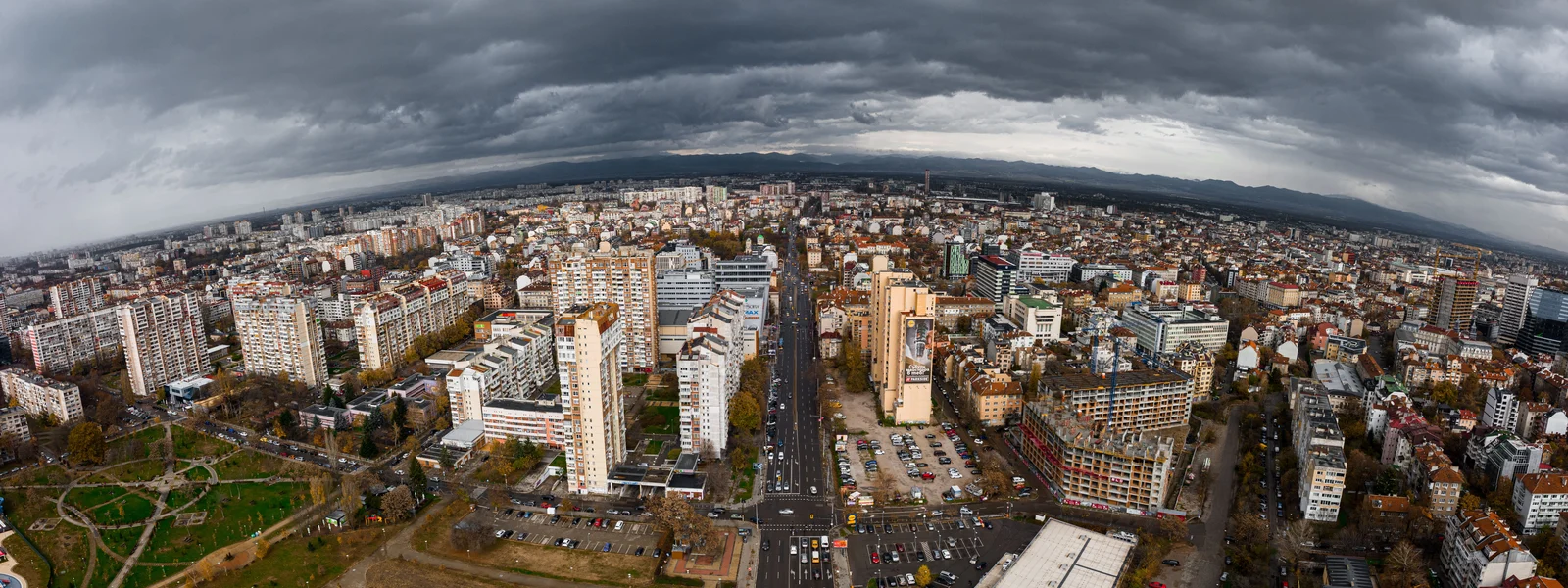
Sofia is the easiest place in Bulgaria to stay connected, a relaxed capital set in a bowl beneath the slopes of Vitosha mountain, where fast mobile data is simply a given and you will rarely think about your connection. All three national operators run dense networks across the city, with extensive 5G in the central and well populated districts and strong 4G everywhere else, so whichever host network your eSIM uses, you can expect quick, reliable data throughout your stay. Streaming, video calls, navigation, ride hailing apps and heavy social media use all work smoothly across the city, from the grand boulevards and the gold domed Alexander Nevsky Cathedral to the residential neighbourhoods and out toward the green slopes of Vitosha. The city's cafe culture is laptop friendly, and free wifi is common in hotels, cafes and many public spaces, so between the eSIM and the abundant wifi, staying online in Sofia is effortless, and Bulgaria's cheap data means even heavy eSIM use costs little. For a traveller, this means Sofia is a place where connectivity simply is not a concern, and you can focus on exploring a capital that surprises many visitors with its layered history, where Roman ruins sit beside Ottoman mosques, Orthodox cathedrals and the monumental architecture of the communist era, all within an easy and walkable centre. Whether you are navigating to the ancient Serdica ruins beneath the city, finding a craft beer bar or a traditional mehana restaurant, or planning a cable car trip up Vitosha, your eSIM keeps the maps loading and the apps responsive. Sofia is also where many visitors arrive, and activating your eSIM on landing means you are connected before you even leave the airport, ready to summon a ride or navigate to your accommodation the moment you step outside, into one of Europe's most affordable and underrated capitals.
How much data you need in the city
Working out your data needs for a Sofia stay is straightforward, because city travel has predictable patterns and the abundant wifi takes some of the load. A typical day exploring the capital involves a fair amount of navigation as you find your way between sights, some ride hailing app use, photo sharing, looking up restaurants and opening hours, checking messages and the usual scrolling, all of which together amount to a moderate data load. For most visitors this lands somewhere around one to two gigabytes a day if you rely mostly on the eSIM, less if you lean on wifi in your accommodation and cafes for the heavier tasks. Over a typical city break of three or four days, a plan of five to seven gigabytes comfortably covers a wifi assisted trip, while a week of city exploration suggests ten gigabytes or so for breathing room. If you plan to stream a lot of video or music on the move, or to tether a laptop for work, size up accordingly, because video is what really consumes data, but for ordinary sightseeing the moderate estimate holds. Sofia's good wifi availability genuinely helps here, because you can do your large downloads, video calls and backups on wifi in your hotel or a cafe, reserving the eSIM data for navigation and apps while you are out and about. Bulgarian data is cheap, so there is no need to ration nervously, and I would rather buy a slightly larger plan and never think about it than count gigabytes during a city break. The simple approach is to estimate a couple of gigabytes a day, multiply by your stay, add a little margin, and buy that, confident that topping up is quick if your plans expand. For EU visitors using roaming, the same usage applies but under the carrier terms, subject only to their fair use cap, which a few days of city sightseeing will not approach.
Getting around and exploring with your eSIM
A reliable eSIM transforms how easily you move around Sofia, because the city's transport and exploration lean heavily on connected apps. Ride hailing is available and popular, letting you summon a car from anywhere, watch it approach on the map, and pay through the app without fumbling for cash or negotiating a fare, which is especially welcome when you arrive tired at the airport. Sofia also has an efficient metro and tram network, and mapping apps show you the routes and connections in real time, so you navigate the system with confidence even without a word of Bulgarian or any familiarity with the Cyrillic alphabet, which is itself a good reason to have a translation app and live maps at hand since signage is often in Cyrillic. Walking the compact centre, the best way to appreciate the city's remarkable layering of eras, is made easier by live navigation that keeps you oriented. Beyond getting around, the eSIM unlocks the city's information on demand. You can read about the history of the Alexander Nevsky Cathedral or the ancient Serdica complex as you stand before them, check whether a museum is open, find the highly rated little restaurant down a side street, translate a Cyrillic menu, and look up the story behind the monuments. Translation apps are particularly valuable in Bulgaria given the Cyrillic script, and a quick photo translation of a sign or menu is genuinely useful. The city rewards curiosity, and a live connection feeds it at every turn. For sharing the experience, fast data means your photos and videos upload instantly, and you can keep up a running conversation with people at home through messaging apps as you explore. All of this runs on the cheap, fast data that makes Bulgaria such good value, so a Sofia visit with a good eSIM feels frictionless, the connection fading into the background while the city itself, affordable and full of character, takes centre stage.
Using Sofia as a base
Many travellers use Sofia as a base for exploring further into Bulgaria, and the city's connectivity makes it an excellent springboard, with your eSIM working seamlessly whether you stay in the capital or venture out. Day trips and longer excursions from Sofia are popular, whether heading up Vitosha mountain on the doorstep for hiking and views, out to the famous Rila Monastery in its forested valley a couple of hours south, to the Seven Rila Lakes for spectacular high mountain scenery, or further afield to Plovdiv with its Roman theatre and old town. Because your Bulgaria eSIM works nationwide, the same plan that keeps you connected in the capital follows you on these journeys, so there is no need to change anything as you travel, the data simply continues to work wherever Bulgarian networks reach. The only difference you will notice is that coverage, flawless in the city, becomes more variable as you climb into the Rila and other mountains, which is where the offline map habit becomes useful, so before a trip to the monastery or the lakes I download the relevant maps while still on a strong city signal. Around Sofia and on the main routes out, the connection stays strong. This makes Sofia a low stress hub. You can plan and book trips on the fly, navigate to a rented car or a bus station with ease, look up the practicalities of a day trip the night before, and stay reachable throughout, all on the one eSIM. If you are spending a week or more in Bulgaria with Sofia as your anchor, this nationwide coverage means you buy a single plan, size it for your total expected use across the capital and your excursions, and forget about connectivity for the rest of the trip, exploring one of Europe's most affordable and varied countries with fast cheap data always at hand.
Tips for your Sofia connectivity
A few final tips ensure your Sofia connectivity is as smooth as the relaxed capital itself allows, building on the fact that the city is one of the easiest places anywhere to stay online. First, activate your eSIM the moment you land at Sofia airport, before leaving the terminal, so you can immediately summon a ride or navigate to your accommodation rather than hunting for wifi while tired from travel, and within a minute or two of switching on you are connected and walk out already online. Second, install a translation app and download the Bulgarian language pack before you arrive, because Sofia uses the Cyrillic alphabet on much of its signage, menus and transport information, and a quick photo translation makes the city far easier to navigate, with the offline pack working even without a signal. Third, take advantage of the city's good wifi for your heavier tasks, doing large downloads, video calls and backups on the reliable connections in your hotel or the many laptop friendly cafes, which keeps your eSIM data for navigation and apps while you are out. Fourth, keep your home SIM active alongside the eSIM for the verification codes that banks and apps send by text, with data roaming disabled on that line so it costs nothing, ensuring you stay reachable on your real number while the eSIM handles all your data cheaply. Fifth, do not over think the data sizing, because Sofia's wifi and Bulgaria's cheap data mean a modest plan with a little margin covers a city break easily, and topping up is quick. Sixth, use the connectivity to deepen the visit, reading the layered history of the Roman, Ottoman, Orthodox and communist era sights as you walk, finding the excellent and very affordable restaurants and bars the city is known for, and navigating the efficient metro with confidence. Sofia rewards the curious and connected traveller, and with these small habits your eSIM fades entirely into the background, leaving you free to enjoy a capital that surprises almost everyone who gives it time, affordable, walkable, green and steeped in history, all explored with fast cheap data always at your fingertips.
Plans for Bulgaria
Bulgaria eSIM plans
Prices in USD. Instant QR activation. Pick your data, land connected.
FAQ
How much data do travelers need in Bulgaria?
Working out your data needs for a Sofia stay is straightforward, because city travel has predictable patterns and the abundant wifi takes some of the load. A typical day exploring the capital involves a fair amount of navigation as you find your way between sights, some ride hailing app use, photo sharing, looking up restaurants and opening hours, checking messages and the usual scrolling, all of which together amount to a moderate data load. For most visitors this lands somewhere around one to two gigabytes a day if you rely mostly on the eSIM, less if you lean on wifi in your accommodation and cafes for the heavier tasks.
Is a travel eSIM better than local SIM or roaming in Bulgaria?
A reliable eSIM transforms how easily you move around Sofia, because the city's transport and exploration lean heavily on connected apps. Ride hailing is available and popular, letting you summon a car from anywhere, watch it approach on the map, and pay through the app without fumbling for cash or negotiating a fare, which is especially welcome when you arrive tired at the airport.
What should travelers know about using sofia as a base in Bulgaria?
Many travellers use Sofia as a base for exploring further into Bulgaria, and the city's connectivity makes it an excellent springboard, with your eSIM working seamlessly whether you stay in the capital or venture out. Day trips and longer excursions from Sofia are popular, whether heading up Vitosha mountain on the doorstep for hiking and views, out to the famous Rila Monastery in its forested valley a couple of hours south, to the Seven Rila Lakes for spectacular high mountain scenery, or further afield to Plovdiv with its Roman theatre and old town.
What is the connectivity picture in Bulgaria?
Sofia is the easiest place in Bulgaria to stay connected, a relaxed capital set in a bowl beneath the slopes of Vitosha mountain, where fast mobile data is simply a given and you will rarely think about your connection. All three national operators run dense networks across the city, with extensive 5G in the central and well populated districts and strong 4G everywhere else, so whichever host network your eSIM uses, you can expect quick, reliable data throughout your stay.