Swiss Alps eSIM 2026: Connected in the Mountains
Connectivity in the Swiss Alps
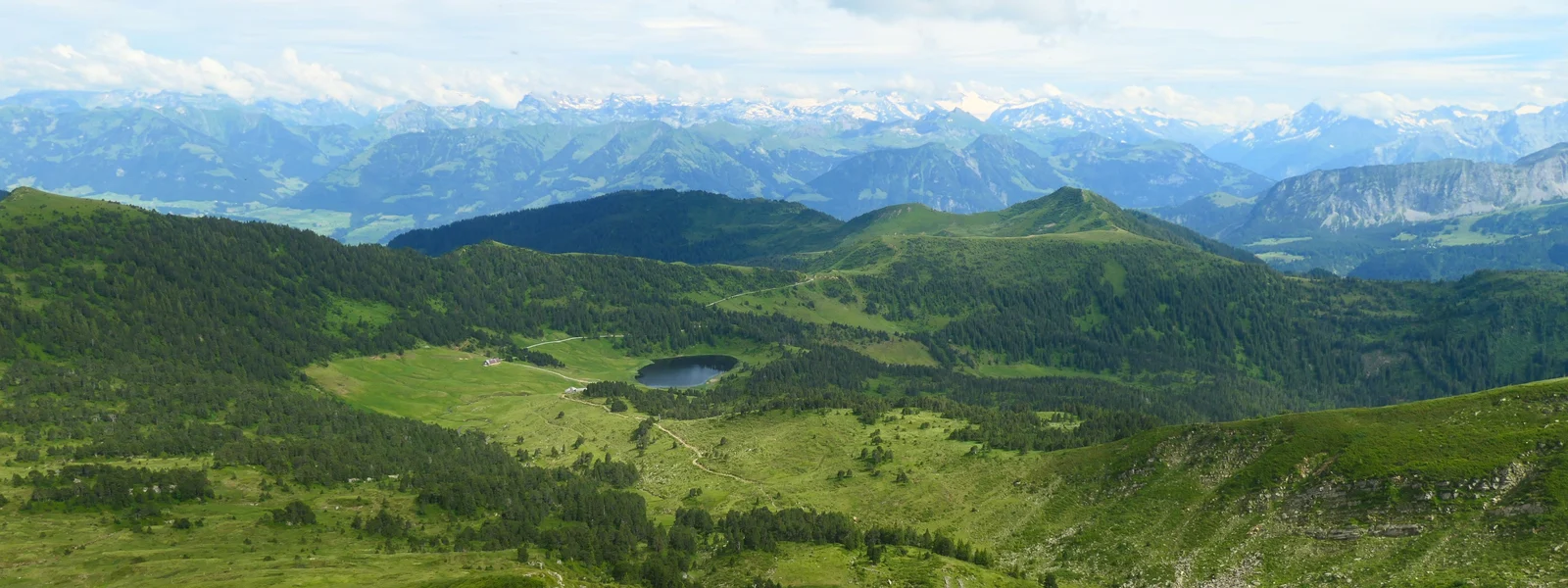
The Swiss Alps are among the most spectacular mountains in the world, drawing visitors year-round for skiing, hiking, climbing, scenic railways, and the sheer beauty of resorts like Zermatt, St. Moritz, Verbier, Grindelwald, and Interlaken. For connectivity, the Swiss Alps are a pleasant surprise: coverage here is better than in most Alpine regions, because Switzerland has invested heavily in covering its mountain tourist areas. The valleys, resort centers, many high viewpoints, and even some high passes and railway stations are well covered, so you stay connected far more of the time than you would expect at altitude. Only the highest peaks, glaciers, and the most remote back-country reliably outrun the network. This guide covers what to expect from your eSIM in the Swiss Alps and how to stay connected and safe.
The headline is that the Swiss Alps are exceptionally well connected by mountain standards, with the crucial reminder that your plan must cover Switzerland given the non-EU status.
Surprisingly excellent mountain coverage
What sets the Swiss Alps apart from most Alpine regions is how good the mobile coverage is. The Swiss have invested heavily in covering their mountain tourist areas, recognizing how central tourism is to the economy, so the famous resorts are well covered across the valleys, the resort centers, and often surprisingly high up the mountains. Many high viewpoints, the stations of the famous mountain railways, and even some high passes have coverage that would be unthinkable in less-developed Alpine terrain.
This means a trip into the Swiss Alps keeps you connected far more of the time than an equivalent trip in many neighboring Alpine areas. You can often share a photo from a spectacular high mountain setting, check the weather from a viewpoint, navigate a well-developed trail with live data, or video-call family from a resort high above the valley. Swisscom reaches the furthest, but all three networks offer good Alpine coverage by mountain standards. This impressive mountain connectivity is one of the things that makes the Swiss Alps such a rewarding and easy place to stay connected, even amid some of the most dramatic terrain in Europe.
The high-peak and back-country limits
Even Switzerland's superb network has limits at the extremes. The highest peaks, the glaciers, the most remote high passes, and the deep back-country away from the developed tourist areas can have thin or no signal, because even the best infrastructure cannot beat the most extreme terrain and there is no commercial reason to cover uninhabited wilderness.
So while the Swiss Alps are excellently covered by mountain standards across the developed valleys, resorts, and viewpoints, the genuinely high, wild, and remote places, serious back-country hiking and climbing routes, glacier travel, the most isolated passes and summits, can still leave you without signal. For these, download offline maps and route information, favor Swisscom for the best reach, and for serious mountaineering, glacier travel, or remote back-country never rely solely on a phone for safety, since the highest and wildest terrain genuinely outruns even the world's best networks. But this affects only the extremes; the vast majority of a Swiss Alps trip, including most resort skiing, valley hiking, and the scenic railways and viewpoints, enjoys excellent coverage.
Skiing and hiking in the Swiss Alps
For skiing, the Swiss Alps are among the best-connected ski destinations in the world. At major resorts like Zermatt, Verbier, St. Moritz, and Davos, coverage is good across the valleys, resort centers, and much of the ski area, often including high lift stations and pistes, so you can share, navigate, and stay in touch across most of a ski day, far better than in many Alpine countries. Still, the highest and most remote off-piste and back-country areas can thin, so download the ski area map offline and agree meeting points for the extremes.
For hiking, the developed valley and mid-mountain trails near resorts are generally well covered, so day hikes in popular areas keep you connected much of the time. But serious high-altitude hikes, multi-day treks, glacier routes, and remote back-country will reach genuine gaps, so prepare comprehensive offline maps and route information, check conditions in the valley before setting out, tell someone your plans, favor Swisscom, and for serious mountain routes carry appropriate safety equipment and know the emergency procedures, since the high and remote terrain outruns even the Swiss network. The Swiss Alps are superbly organized for mountain tourism, but the highest and wildest places still demand proper mountain preparation beyond connectivity.
Why Swisscom and offline maps matter, and the coverage point
For the Swiss Alps, three things stand out. First and overriding, ensure your plan covers Switzerland, since the country is not in the EU and EU-focused regional plans often exclude it, so the best mountain coverage in the world does you no good if your plan cannot connect to it. Second, choose Swisscom for the best reach into the high terrain, maximizing the already-excellent proportion of the mountains where you have signal. Third, download comprehensive offline maps for any serious mountain excursion, since even Switzerland's superb network thins at the highest peaks, glaciers, and remote back-country.
With a Switzerland-covering eSIM on Swisscom and offline maps for the extremes, you are exceptionally well equipped for the Swiss Alps, connected across the developed valleys, resorts, viewpoints, and railways, and self-sufficient with offline maps in the genuinely high and wild places. Test offline maps in airplane mode before you head up. For serious mountaineering and remote back-country, remember that the phone is one safety tool among several rather than your sole lifeline, since the highest terrain genuinely outruns the network. This combination, Swiss coverage confirmed, Swisscom for reach, offline maps for the extremes, sound mountain practice for safety, is the essential setup for the Swiss Alps.
The best eSIM for a Swiss Alps trip
For a Swiss Alps trip, the priorities are, in order: a plan that explicitly covers Switzerland given the non-EU status, Swisscom for the best high-mountain reach, and offline maps for the genuine extremes. Choose a Switzerland eSIM or a regional plan whose country list names Switzerland, ideally on Swisscom, and size your data around 7 to 10 GB for a week, since you will share spectacular photos and videos, video-call home, and stream in the evenings, and Swiss Alpine coverage is good enough to use data across much of the mountain.
Download comprehensive offline maps of your ski area or hiking region before you go, test them in airplane mode, and treat them as your navigation in the highest and most remote terrain. For serious hiking or climbing, prepare route information, check conditions, tell someone your plans, and know mountain safety procedures, since the high back-country outruns even the Swiss network. If your Alpine trip crosses into France, Italy, or Austria, common for Alpine tours, ensure your regional plan covers Switzerland and those neighbors, remembering that EU-only plans exclude Switzerland. Install before you fly, set the eSIM as your data line, and keep your home SIM for codes. Do that and the Swiss Alps, already among the best-connected mountains in the world, are superbly enjoyable, connected across the developed areas and handled by offline maps at the extremes. Switzerland plans start from around $4, a fraction of Swiss local rates, with a Swisscom plan that covers Switzerland and offline maps the essential combination for the Alps.
A final word on Alpine connectivity and safety
The Swiss Alps reward a traveler with some of the best mountain connectivity in the world, but the highest and wildest places still demand respect and preparation beyond what any network provides. The essentials bear repeating: ensure your plan covers Switzerland given the non-EU status, the overriding point, since the best mountain coverage in the world is useless if your plan cannot connect to it; favor Swisscom for the best reach into the high terrain; and download comprehensive offline maps for serious mountain excursions, since even Switzerland's superb network thins at the highest peaks, glaciers, and remote back-country.
There is an important safety dimension that goes beyond convenience. Even in well-covered Switzerland, the highest and most remote Alpine terrain genuinely outruns the mobile network, so on serious back-country hikes, climbs, and glacier routes you cannot assume a phone will work in an emergency. This is why mountain preparation, route planning, telling others your plans, appropriate equipment, awareness of conditions, matters more than connectivity alone, and why experienced Alpine travelers treat the phone as one tool among several. Switzerland is superbly organized for mountain tourism, with excellent rescue services, well-developed resorts, and famous mountain railways, and its connectivity reaches impressively far into the mountains, but the genuinely high and wild places are serious terrain. Approached with respect and preparation, a Switzerland-covering eSIM on Swisscom for the excellent developed-area coverage, offline maps for the extremes, and sound mountain practice for safety, the Swiss Alps are one of the great mountain destinations in the world, exceptionally well connected by Alpine standards across both winter skiing and summer hiking. If your Alpine trip crosses into France, Italy, or Austria, ensure your regional plan covers Switzerland and those neighbors, since EU-only plans exclude Switzerland. Switzerland plans start from around $4, a fraction of Swiss local rates.
Plans for Switzerland
Switzerland eSIM plans
Prices in USD. Instant QR activation. Pick your data, land connected.
FAQ
Why Swisscom and offline maps matter, and the coverage point?
For the Swiss Alps, three things stand out. First and overriding, ensure your plan covers Switzerland, since the country is not in the EU and EU-focused regional plans often exclude it, so the best mountain coverage in the world does you no good if your plan cannot connect to it. Second, choose Swisscom for the best reach into the high terrain, maximizing the already-excellent proportion of the mountains where you have signal. Third, download comprehensive offline maps for any serious mountain excursion, since even Switzerland's superb network thins at the highest peaks, glaciers, and remote back-country.
What coverage and network performance should travelers expect in Switzerland?
What sets the Swiss Alps apart from most Alpine regions is how good the mobile coverage is. The Swiss have invested heavily in covering their mountain tourist areas, recognizing how central tourism is to the economy, so the famous resorts are well covered across the valleys, the resort centers, and often surprisingly high up the mountains. Many high viewpoints, the stations of the famous mountain railways, and even some high passes have coverage that would be unthinkable in less-developed Alpine terrain.
Is a travel eSIM better than local SIM or roaming in Switzerland?
For a Swiss Alps trip, the priorities are, in order: a plan that explicitly covers Switzerland given the non-EU status, Swisscom for the best high-mountain reach, and offline maps for the genuine extremes. Choose a Switzerland eSIM or a regional plan whose country list names Switzerland, ideally on Swisscom, and size your data around 7 to 10 GB for a week, since you will share spectacular photos and videos, video-call home, and stream in the evenings, and Swiss Alpine coverage is good enough to use data across much of the mountain.
What is the connectivity picture in Switzerland?
The Swiss Alps are among the most spectacular mountains in the world, drawing visitors year-round for skiing, hiking, climbing, scenic railways, and the sheer beauty of resorts like Zermatt, St. Moritz, Verbier, Grindelwald, and Interlaken. For connectivity, the Swiss Alps are a pleasant surprise: coverage here is better than in most Alpine regions, because Switzerland has invested heavily in covering its mountain tourist areas. The valleys, resort centers, many high viewpoints, and even some high passes and railway stations are well covered, so you stay connected far more of the time than you would expect at altitude.