Slovakia for Digital Nomads: One Month Connected
Why Slovakia works as a one month base
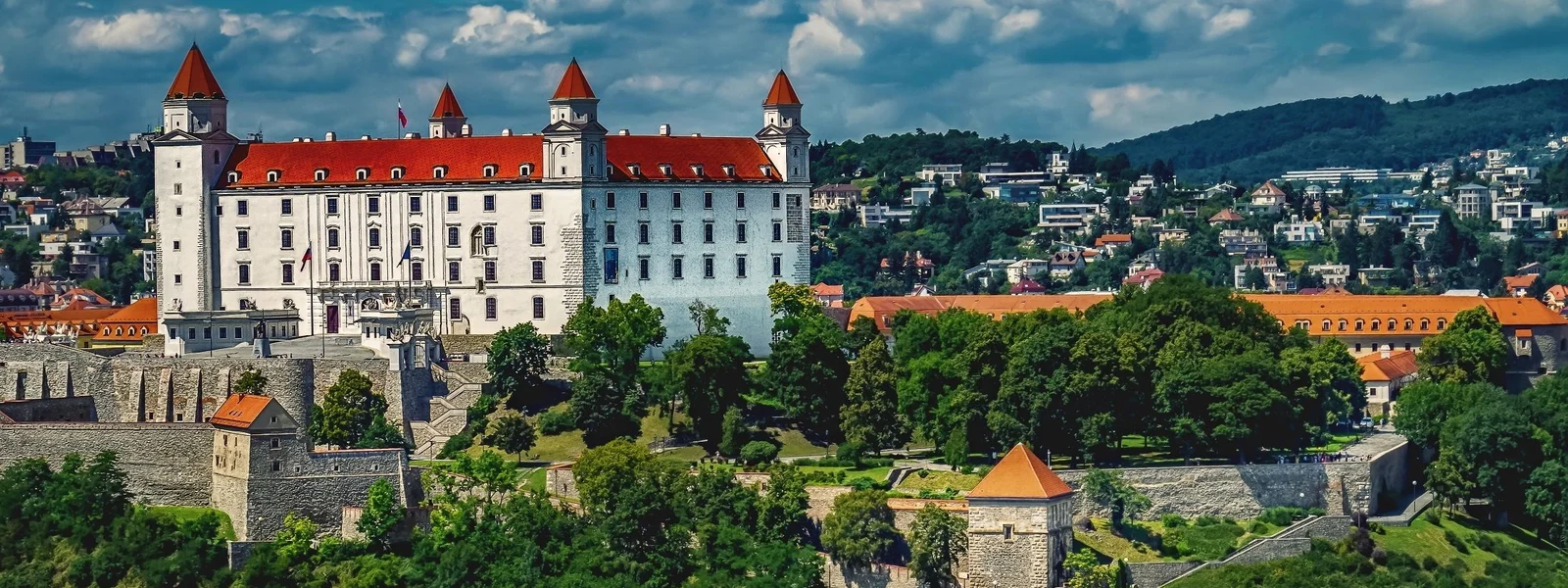
Slovakia is a quieter, less famous choice for a remote working month than its neighbors, but it has genuine appeal, especially for those who want mountains on their doorstep. The mobile networks are fast and reliable in the populated areas, fixed broadband is excellent, public wifi is widespread, and the cost of data is low. Bratislava, the capital, is a compact, pleasant city right on the Austrian border, barely an hour from Vienna, with a charming old town, a growing cafe and startup scene, and a cost of living lower than western Europe. Kosice in the east is a handsome, cheaper alternative with its own appeal. And the great draw of Slovakia for the outdoorsy nomad is the mountains: from a base in or near the Tatras, you can have world class hiking and skiing right outside your door. Add easy access to the rest of central Europe, with Vienna, Budapest, Prague and Krakow all close, and an EU setting with the euro, and Slovakia makes an underrated month long base, particularly for those who value the outdoors. This satellite covers how to set yourself up for a productive month.
How much data a month of work needs
Working remotely burns far more data than tourist travel, so plan accordingly. Daily video calls are the biggest driver, costing roughly three hundred to five hundred megabytes per hour each, and a few hours of calls a day adds up quickly. File uploads and downloads, cloud syncing, constant messaging and the general background hum of an online work life all contribute. A realistic estimate for a working nomad relying mainly on mobile data is two to four gigabytes a day, which over a month is sixty to one hundred and twenty gigabytes. That sounds like a lot, but Slovakia's cheap data makes it manageable, and most nomads lean heavily on apartment broadband and cafe wifi for the data heavy work, using mobile data as a reliable backup and for working on the move. If you will use wifi for most calls, a twenty to forty gigabyte monthly mobile plan is plenty; if mobile is your primary connection, the local plans offer large or unlimited allowances cheaply. One Slovakia specific note: if you base near the mountains and hike on weekends, those high trail hours will be offline regardless, but your weekday work in town or the valley will be fully connected.
Best cities to base in
Bratislava is the obvious choice for a working base, the capital with the deepest cafe and coworking scene, the best infrastructure, the widest range of apartments, and the unbeatable convenience of sitting right next to Vienna, barely an hour away, putting a major international hub within easy reach. It is compact and pleasant, with a charming old town, though smaller and quieter than the bigger central European nomad capitals. Kosice in the east is a cheaper, handsome alternative with a fine old town and its own relaxed appeal, good for those wanting somewhere quieter and more affordable. For the outdoorsy, basing in or near Poprad and the High Tatras region puts you within reach of world class mountains, with the towns there offering decent connectivity and the trails on your doorstep, though with fewer urban amenities. For most nomads, Bratislava is the natural default given its amenities and proximity to Vienna, with Kosice and the Tatra region as alternatives for those prioritizing cost or the outdoors respectively, all offering the connectivity a remote worker needs in their populated parts.
Mono country or regional, and reliability
For a month based in Slovakia, a local Slovak SIM with a large monthly allowance is good value if you will rely on mobile data, because Slovak prepaid plans offer generous data cheaply, and the small setup effort is worth it over a full month; choose Telekom if you will spend time in the mountains and want the best reach. If you would rather not deal with a shop visit, a long duration travel eSIM works well too. If your month includes the easy hops to Vienna, Budapest, Prague and Krakow, all close given Slovakia's central position, a regional Europe eSIM keeps you connected across the borders on one plan, which many nomads prefer. For reliability, the smart setup is layered: apartment broadband as your primary work connection, cafe wifi as backup, and a generous mobile plan as the always available fallback, so a router outage never costs you a meeting. In the populated areas, assembling redundant reliable connections is easy, and the operators satellite helps you pick a network, with all three strong in Bratislava and the towns and Telekom favored for mountain reach if you base near the Tatras.
Real monthly cost and a simple setup
The connectivity cost for a month in Slovakia is genuinely low. A large local SIM data plan runs the equivalent of a few euros to maybe fifteen euros, and a long duration travel eSIM is reasonable too. Compared to accommodation, coworking and daily life, connectivity is a rounding error, and the overall cost of living in Slovakia is moderate, lower than western Europe, with Kosice and the smaller towns cheaper than Bratislava. The simple setup that works for most nomads: book an apartment with confirmed fast broadband, which is the norm in the cities, buy a generous local SIM or travel eSIM as backup, and settle into a base that suits your priorities, Bratislava for amenities and the Vienna connection, Kosice for value, or the Tatra region for the mountains. With that stack you have redundant connections in the populated areas. Slovakia delivers solid connectivity, a moderate cost of living, easy central European access, and the rare nomad bonus of world class mountains on the doorstep, which makes it an underrated and rewarding choice for a connected working month, especially for those who want their weekends spent hiking or skiing rather than just in cafes, accepting that the high trails will be the one place the connectivity does not follow them.
Building a reliable connectivity stack
The difference between a stressful and a smooth month of remote work in Slovakia is redundancy, having more than one way to get online so that no single failure costs you a deadline or a meeting. The stack I recommend has three layers. The foundation is your apartment's fixed broadband, which you should confirm before booking, ideally asking the host for the actual speed rather than trusting a vague promise of wifi; in Bratislava and the cities, fast fiber is common and cheap, so good broadband is the norm. The second layer is the cafe and coworking scene, which in Bratislava is growing and decent, smaller than the big central European nomad capitals but adequate, giving you reliable backup locations. The third layer is your mobile data, a generous local SIM or travel eSIM that serves as the always available fallback, the thing that saves you when the apartment router dies an hour before an important call. With all three in place in the populated areas, you are never more than a few minutes from a working connection. For the most important calls, default to whichever connection has proven most stable, often the apartment broadband, while keeping the mobile ready to switch to instantly. Many nomads use their phone as a hotspot for the laptop, seamless given the cheap data. The one Slovakia specific consideration is that if you base near the mountains for the hiking and skiing, your work itself should be done in the connected town or valley, with the high trails reserved for your offline weekends, since you cannot work from a signal free peak. The seasons matter for lifestyle, summer for hiking, winter for skiing, both with the resorts connected, but the work connectivity in the towns holds year round. Build the stack, which the Slovak cities and resort towns make easy, and a working month here is reliable, affordable, and uniquely rewarded by world class mountains for your downtime, with the offline heights being a feature rather than a flaw for anyone who came for the outdoors.
The practical month: seasons and mountain escapes
Beyond the connectivity setup, a few practical notes make a month in Slovakia genuinely rewarding as a remote worker, especially for the outdoorsy. The seasons shape the experience and the escapes more than the work connectivity, which holds year round in the towns. Summer brings warm days, the High Tatras at their best for hiking, and lively outdoor life in Bratislava, the busiest season. Autumn is crisp and golden, beautiful in the mountains and forests. Winter turns the Tatras into a ski destination, with the resorts connected and the slopes calling for your weekends, and the cities quieter and cheaper. Spring brings everything back to life. The great advantage of basing in Slovakia for the right kind of nomad is the combination of a connected, affordable urban base with world class mountains a short drive away, so your weekdays are spent working online in well connected Bratislava, Kosice or a Tatra resort town, and your weekends escaping into the hiking or skiing, accepting that the high trails themselves are offline, which for many is the whole point. The central European position adds easy escapes to Vienna, Budapest, Prague and Krakow, all close and connected, keeping you online across the borders on a regional plan or EU carrier terms. A nomad based in Bratislava can be in Vienna in an hour, in the Tatras in a few hours, or exploring the neighboring capitals on a long weekend, all connected except on the mountain peaks. This blend of solid work connectivity, a moderate cost of living, exceptional central European access, and the rare bonus of genuine alpine wilderness for downtime makes Slovakia an underrated and distinctive nomad base, quieter than the famous hubs but offering something they cannot, mountains on the doorstep, with the offline heights a feature rather than a flaw for those who came precisely for the outdoors.
Plans for Slovakia
Slovakia eSIM plans
Prices in USD. Instant QR activation. Pick your data, land connected.
FAQ
How much data and what kind of plan do travelers need in Slovakia?
The connectivity cost for a month in Slovakia is genuinely low. A large local SIM data plan runs the equivalent of a few euros to maybe fifteen euros, and a long duration travel eSIM is reasonable too. Compared to accommodation, coworking and daily life, connectivity is a rounding error, and the overall cost of living in Slovakia is moderate, lower than western Europe, with Kosice and the smaller towns cheaper than Bratislava.
How much data a month of work needs?
Working remotely burns far more data than tourist travel, so plan accordingly. Daily video calls are the biggest driver, costing roughly three hundred to five hundred megabytes per hour each, and a few hours of calls a day adds up quickly. File uploads and downloads, cloud syncing, constant messaging and the general background hum of an online work life all contribute. A realistic estimate for a working nomad relying mainly on mobile data is two to four gigabytes a day, which over a month is sixty to one hundred and twenty gigabytes.
What should travelers prepare before entering low-coverage areas in Slovakia?
Beyond the connectivity setup, a few practical notes make a month in Slovakia genuinely rewarding as a remote worker, especially for the outdoorsy. The seasons shape the experience and the escapes more than the work connectivity, which holds year round in the towns. Summer brings warm days, the High Tatras at their best for hiking, and lively outdoor life in Bratislava, the busiest season. Autumn is crisp and golden, beautiful in the mountains and forests. Winter turns the Tatras into a ski destination, with the resorts connected and the slopes calling for your weekends, and the cities quieter and cheaper. Spring brings everything back to life.
Why Slovakia works as a one month base?
Slovakia is a quieter, less famous choice for a remote working month than its neighbors, but it has genuine appeal, especially for those who want mountains on their doorstep. The mobile networks are fast and reliable in the populated areas, fixed broadband is excellent, public wifi is widespread, and the cost of data is low. Bratislava, the capital, is a compact, pleasant city right on the Austrian border, barely an hour from Vienna, with a charming old town, a growing cafe and startup scene, and a cost of living lower than western Europe. Kosice in the east is a handsome, cheaper alternative with its own appeal.
Can I cancel an eSIM purchase if I do not use it?
Yes. An unused eSIM can be cancelled within 30 days as long as it has not been used on the destination network. Once it has connected and been used, this condition no longer applies.