Montenegro for Digital Nomads: One Month of Data and Connectivity
Why Montenegro works for remote work
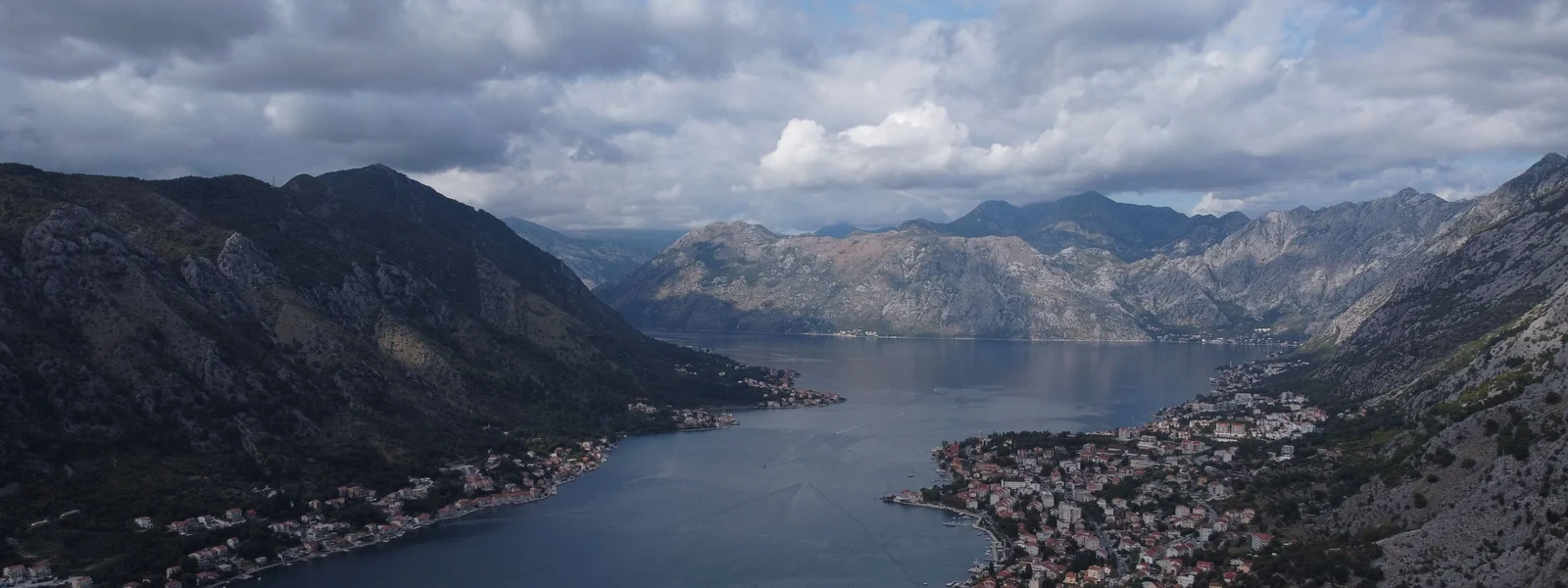
Montenegro has been drawing a growing number of digital nomads and remote workers, particularly to the coast and the capital, and connectivity is a part of the appeal, alongside the stunning Adriatic scenery, the affordable cost of living and the relaxed Mediterranean pace. The connectivity foundations are good in the populated areas, with reliable mobile coverage along the coast and in the towns, growing 5G in the main areas, and good fixed broadband, so the technical basis for working online is solid in the coastal towns and the capital. The coast is the main draw, with the spectacular Bay of Kotor, the resort town of Budva, and the historic coastal towns offering an appealing base, combining work with a Mediterranean lifestyle of beaches, cafes and dramatic scenery. The affordable cost of living, lower than western Europe, lets a remote worker live comfortably on a modest budget, and the small size of the country means the mountains, the canyons and the national parks are always within easy reach for weekend adventures. The one connectivity consideration that distinguishes Montenegro is its non EU status, which means that even EU nomads cannot rely on carrier coverage and need a travel eSIM or local SIM for their mobile data, alongside the accommodation wifi that carries most of a remote worker load, a point easily missed because Montenegro uses the euro, which can falsely suggest EU rules apply. For the longer staying nomad, this might mean a local Montenegrin SIM with its competitive data, or a generous travel eSIM, supplementing the wifi. The one caveat for remote work is that the rugged interior has patchy coverage, so a nomad wanting to work from a mountain village rather than the coast should check the connectivity there carefully, since the reliable coverage is concentrated on the coast and in the towns. For connectivity specifically, Montenegro offers good coastal coverage, fixed broadband, and an affordable, scenic base, with the wrinkles being the non EU status that requires a deliberate data arrangement and the patchy interior, both manageable with planning.
How much data a working month needs
Estimating data for a working month in Montenegro follows the same logic as anywhere, with the heaviest consumers being video calls, cloud syncing and laptop work, balanced by the coast good wifi which carries most of the load. An hour of video conferencing can burn half a gigabyte to well over a gigabyte, and a day of several calls plus cloud syncing, software updates and large files can use five to eight gigabytes if it all runs over mobile data, pointing to well over a hundred gigabytes for a month of working days, more than any travel eSIM economically provides. So the realistic strategy is the hybrid one, leaning on fixed wifi for the heavy lifting and using mobile data as a reliable supplement and fallback. Montenegro good broadband and the wifi in the coastal accommodation, cafes and restaurants make this easy on the coast and in the towns, so the wifi carries most of the load and the mobile data handles the gaps, the calls taken away from the desk, the days working from a beachside cafe, and the outages when a connection drops. Sized that way, a month of remote work is comfortably served by a generous travel eSIM, or a local Montenegrin SIM with its competitive data bundles, supplementing the wifi. Because Montenegro is outside the carrier coverage area, the mobile data must come from an eSIM or local SIM rather than carrier coverage, even for EU nomads, so a deliberate arrangement is needed, a point the euro currency can obscure. For the longer staying nomad, a local Montenegrin SIM with a generous monthly data bundle is worth considering for the competitive data and a local number, while a travel eSIM offers the convenience of arriving connected and easy top up. The one Montenegro caveat is the rugged interior, where coverage thins, so a nomad based on the coast has good mobile data but should not count on reliable connectivity for working from a remote mountain village. Either way, the key is to lean on the coast good wifi for the heavy work and treat the mobile data as a generous, reliable supplement, sized for the mobile use you expect away from wifi.
Building a reliable connectivity setup
A month of dependable remote work in Montenegro comes down to layering your connections, helped by the good coastal infrastructure, with the rugged interior the one area to be cautious about. The foundation is your accommodation wifi, and when booking a month long stay I treat the internet as a hard requirement, reading reviews for mentions of speed and reliability and asking the host to confirm the connection before committing. Montenegro coastal accommodation internet is generally good, but it varies, especially in smaller or more remote places, so this verification is worth the effort, and a nomad should favour the coast and towns over the interior for reliable connectivity. The second layer is the mobile data, your safety net, whether a travel eSIM or a local Montenegrin SIM, so when the apartment wifi drops during a call, you switch to the mobile connection and tether the laptop, and the meeting continues, with the coast good coverage ensuring this works in the main areas. Because Montenegro is outside the carrier coverage area, this mobile data must come from an eSIM or local SIM rather than roaming, even for EU nomads, so arrange it deliberately, not assuming the euro means EU carrier terms. The third layer is the cafes and restaurants of the coastal towns, which offer wifi and a change of scene, plus any coworking spaces in the larger centres. I also keep my home country SIM active for verification codes, with its data roaming disabled to avoid the non EU charges. For exploring beyond the coast on weekends, the mountains, the canyons and the national parks of the interior, offline maps cover the areas where coverage thins, and a nomad should not plan to work from these areas given the patchy coverage. Layered this way, with verified coastal accommodation wifi, a travel eSIM or local SIM fallback, the coastal cafes, a live home number, and offline maps for interior weekends, the connectivity for a working month in Montenegro is reliable on the coast and in the towns, letting you focus on the work and on enjoying an affordable, scenic Adriatic base, with the only cautions being the deliberate mobile data arrangement the non EU status requires and the patchy interior to avoid for work.
Practical tips for a month on the ground
Beyond the data and the setup, a few practical habits make a month of remote work in Montenegro run smoothly. The first is to arrange your mobile data deliberately given the non EU status, choosing either a generous travel eSIM aligned with your stay or a local Montenegrin SIM with a monthly data bundle, since you cannot rely on carrier coverage even as an EU nomad despite the euro currency, and disabling home roaming to avoid the expensive non EU charges. The second is to base yourself on the coast or in a main town for reliable connectivity, since the rugged interior has patchy coverage that does not suit remote work, keeping the mountains and canyons for weekend adventures rather than working days. The third is to manage time zones, since Montenegro sits in Central European Time, one hour ahead of London and six ahead of New York for much of the year, convenient for working with European clients and meaning early starts or late finishes for those tied to American hours. The fourth is to take advantage of Montenegro affordability, since the cost of living, lower than western Europe, lets a remote worker live well, with affordable accommodation, dining and the appealing coastal lifestyle. The fifth is to enjoy the country small size, using the coast as a base from which the mountains, the canyons, the national parks and even neighbouring countries are within easy reach for weekends, with offline maps for the interior. The sixth is to install Viber alongside WhatsApp, since Viber is widely used in Montenegro and the Balkans, covering you for communicating with locals, hosts and businesses. Finally, build in genuine downtime to enjoy Montenegro spectacular scenery, the Adriatic beaches, the dramatic Bay of Kotor, the historic towns and the mountain wilderness, with the reliable coastal connectivity ensuring your working days run smoothly so your free time is truly free, all on a travel eSIM or local SIM that keeps you affordably online across this stunning Adriatic country, the non EU status handled by the simple deliberate data arrangement that the euro currency might otherwise tempt you to skip.
Plans for Montenegro
Montenegro eSIM plans
Prices in USD. Instant QR activation. Pick your data, land connected.
FAQ
How much data a working month needs?
Estimating data for a working month in Montenegro follows the same logic as anywhere, with the heaviest consumers being video calls, cloud syncing and laptop work, balanced by the coast good wifi which carries most of the load. An hour of video conferencing can burn half a gigabyte to well over a gigabyte, and a day of several calls plus cloud syncing, software updates and large files can use five to eight gigabytes if it all runs over mobile data, pointing to well over a hundred gigabytes for a month of working days, more than any travel eSIM economically provides.
What is the connectivity picture in Montenegro?
A month of dependable remote work in Montenegro comes down to layering your connections, helped by the good coastal infrastructure, with the rugged interior the one area to be cautious about. The foundation is your accommodation wifi, and when booking a month long stay I treat the internet as a hard requirement, reading reviews for mentions of speed and reliability and asking the host to confirm the connection before committing. Montenegro coastal accommodation internet is generally good, but it varies, especially in smaller or more remote places, so this verification is worth the effort, and a nomad should favour the coast and towns over the interior for reliable connectivity.
Why Montenegro works for remote work?
Montenegro has been drawing a growing number of digital nomads and remote workers, particularly to the coast and the capital, and connectivity is a part of the appeal, alongside the stunning Adriatic scenery, the affordable cost of living and the relaxed Mediterranean pace. The connectivity foundations are good in the populated areas, with reliable mobile coverage along the coast and in the towns, growing 5G in the main areas, and good fixed broadband, so the technical basis for working online is solid in the coastal towns and the capital.
What should travelers know about practical tips for a month on the ground in Montenegro?
Beyond the data and the setup, a few practical habits make a month of remote work in Montenegro run smoothly. The first is to arrange your mobile data deliberately given the non EU status, choosing either a generous travel eSIM aligned with your stay or a local Montenegrin SIM with a monthly data bundle, since you cannot rely on carrier coverage even as an EU nomad despite the euro currency, and disabling home roaming to avoid the expensive non EU charges. The second is to base yourself on the coast or in a main town for reliable connectivity, since the rugged interior has patchy coverage that does not suit remote work, keeping the mountains and canyons for weekend adventures rather than working days.
Can I cancel an eSIM purchase if I do not use it?
Yes. An unused eSIM can be cancelled within 30 days as long as it has not been used on the destination network. Once it has connected and been used, this condition no longer applies.