Best eSIM for Montenegro 2026: How to Choose the Right Plan
What makes an eSIM good for Montenegro
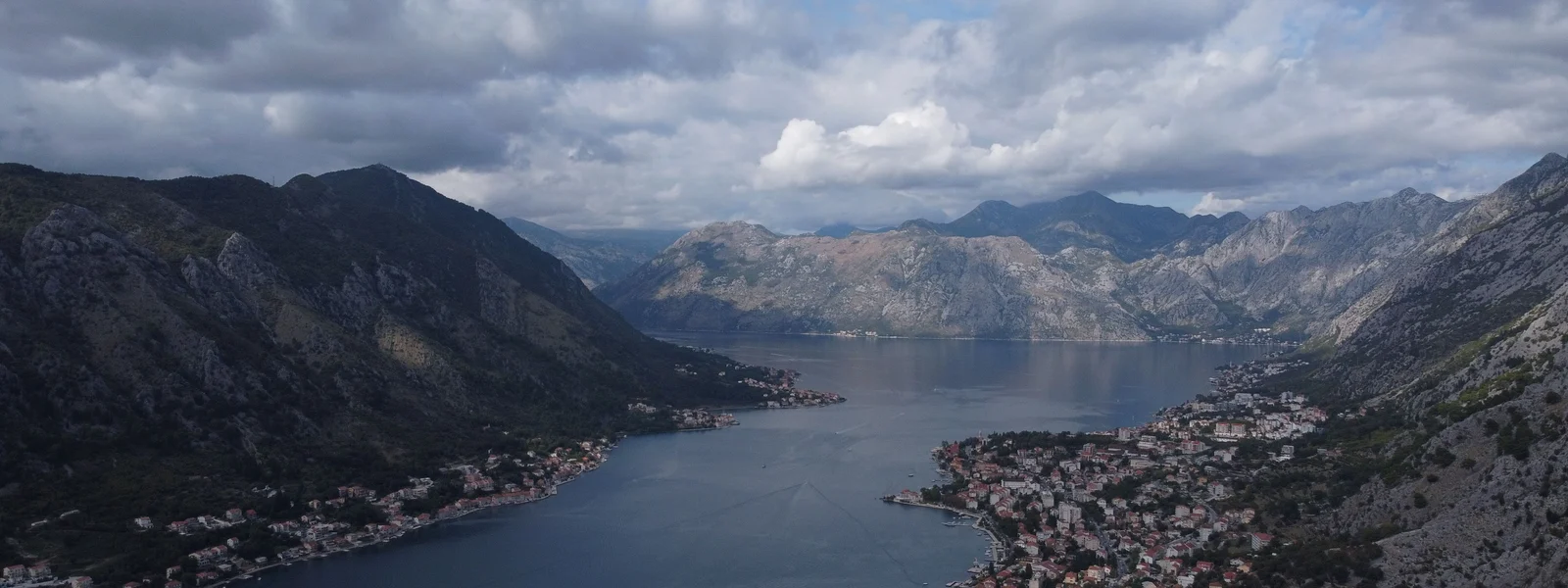
A good eSIM for Montenegro is shaped by the country particular situation, its position outside the carrier coverage area despite using the euro, its good coastal coverage, and its rugged mountainous interior. The starting point, which differs from EU countries, is that in Montenegro almost every visitor needs a travel eSIM, because the country sits outside the carrier coverage area, so even EU visitors face expensive roaming without one, a point easily missed because Montenegro uses the euro, which can falsely suggest EU rules apply. So the first quality of a good Montenegro eSIM is simply that you have one, since the alternative is costly roaming for nearly everyone. Beyond that, a good Montenegro eSIM offers a sensible data allowance for your trip, a validity window covering your stay, and good coverage across the areas you will visit. Because Montenegro coverage is strong along the coast and in the towns where most visitors spend their time, the dramatic Bay of Kotor, the resort strip of Budva, the historic towns, any reputable Montenegro eSIM serves a coastal trip well, so the host network matters less for the typical coastal visit. The host network becomes a little more relevant if your trip includes the rugged interior, the mountains and canyons of the Durmitor or the Prokletije, though no operator fully covers the remote high country there, so offline maps remain the main measure for the mountains regardless of network. A good eSIM also offers hotspot support if you plan to tether a laptop, and instant top up capability for peace of mind. If Montenegro is one stop on a wider Balkan trip, a regional Balkans eSIM is worth considering as an option, covering Montenegro and several neighbours, though for a Montenegro only trip a single country plan is the natural choice. The headline advice is to choose a reputable Montenegro eSIM, ensure a sensible allowance and validity, and above all recognise that in non EU Montenegro, having an eSIM at all is the key decision, since it spares essentially every visitor the expensive roaming the country would otherwise impose despite the familiar euro currency.
The euro currency trap and why it matters
A consideration specific to Montenegro, more than to most Balkan countries, is the euro currency and the false confidence it can give EU visitors, which makes choosing an eSIM more important here than the currency alone would suggest. Montenegro uses the euro as its currency, having adopted it unilaterally despite not being a member of the European Union or the eurozone, so a visitor arriving in Montenegro pays for everything in euros, sees euro prices, and handles familiar euro notes and coins, all of which can create a powerful but false impression that Montenegro operates under EU rules, including the carrier coverage that EU residents enjoy across the union. This impression is mistaken, because the currency has nothing to do with EU membership, and Montenegro, for all its use of the euro, is firmly outside the carrier coverage area, so an EU visitor phone faces expensive non EU carrier terms here just as it would in any non EU country. This euro trap is a genuine and particular risk in Montenegro, because in most non EU countries the different currency serves as a visible reminder that you are outside the EU, whereas in Montenegro the euro removes that cue, so an EU visitor might never think to question whether their roaming works, leaving it enabled and using their phone freely as they would at home, only to face an unexpected bill. The practical implication for choosing an eSIM is that EU visitors to Montenegro must consciously set aside the false reassurance of the euro and recognise that they need a travel eSIM just as they would in any other non EU country, despite paying for their coffee in euros. So when choosing an eSIM for Montenegro, the euro using EU visitor should be especially deliberate, recognising that the currency does not signal carrier coverage, and buying a Montenegro eSIM to access the country good coastal coverage affordably, with the euro trap being precisely why an eSIM is more necessary here than EU visitors might assume from the familiar currency.
How much data to buy
Sizing your data plan for Montenegro follows the general logic for a coastal and scenic European trip, with the country good coastal wifi helping to keep needs moderate. Many visitors come to Montenegro for a coastal holiday, basing themselves around the Bay of Kotor, Budva or the riviera, with perhaps an excursion into the mountains, so the data needed reflects a pattern of navigation, plenty of photo and video sharing given the spectacular Adriatic scenery, social media, looking things up and some streaming, balanced by leaning on accommodation and cafe wifi for the heavy tasks. A light user who relies on wifi and uses the eSIM mainly for maps and messages might use half a gigabyte to a gigabyte a day, pointing to around five gigabytes for a week. A moderate user who navigates, shares plenty of photos of the dramatic coast and the historic towns, scrolls social media and streams a little lands around one to two gigabytes a day, suggesting around ten gigabytes for a week. A heavy user who streams video or tethers a laptop will use more. Because Montenegro coastal towns and resorts have good wifi in hotels, cafes and restaurants, you can lean on wifi for the heavy tasks, the big photo backups, video calls and streaming, reserving the eSIM for navigation and apps while out, which keeps eSIM consumption moderate. For a trip into the mountains and canyons, to hike the Durmitor, raft the Tara or explore the national parks, the offline maps you download for the patchy coverage there use no ongoing data once downloaded, so the mountains do not increase your data needs, just your preparation. Montenegro spectacular scenery, the fjord like bay, the beaches, the canyons and the peaks, does encourage heavy photo and video capture, but sharing through messaging apps is light on data, and the heavy uploads can wait for wifi. The simple approach for Montenegro is to estimate a gigabyte or two a day for a coastal trip, lean on the good wifi, multiply by your stay, add a buffer, giving comfortable coverage across this scenic Adriatic country.
Reading the fine print before you pay
Montenegro eSIM plans require attention to the usual fine print, with the country non EU status, masked by the euro, making the basic decision to have an eSIM more important than any detail. The first thing to confirm is simply that the plan covers Montenegro, which a single country Montenegro eSIM or a regional Balkans or Europe eSIM including Montenegro does, while being aware that a plan must explicitly include Montenegro since it is outside the EU and not always bundled into European plans despite using the euro, so checking the country coverage is worthwhile. The second detail, for a mountain trip, is the coverage, though no operator fully covers the rugged interior, so offline maps are the main measure for the mountains regardless. The third is validity, matching the window to your trip with a couple of days margin. The fourth is the data allowance, sized for your trip as discussed, generous enough given the good coastal wifi will stretch it. The fifth is tethering or hotspot support if you plan to share the connection to a laptop. The sixth is what happens when the data runs out, whether the plan stops, slows or lets you top up instantly, with instant top up preferable. The seventh, for a multi country Balkan trip, is whether to choose a regional Balkans plan covering Montenegro and its neighbours rather than a single country plan. Because Montenegro coverage is good along the coast and in the towns where visitors spend their time, the host network detail matters less than the basic decision to use an eSIM. The overriding point in the fine print for Montenegro is the country non EU status, hidden by the euro currency, which means the basic decision to use a travel eSIM rather than relying on roaming is the one that matters most, sparing essentially every visitor the expensive roaming Montenegro would otherwise impose despite the familiar euro. Weighing these against the price gives a true picture of value, and for the typical Montenegro trip, a reputable single country eSIM with a sensible allowance, or a regional Balkans plan for a wider trip, is the right choice, bought from a provider with responsive support.
Plans for Montenegro
Montenegro eSIM plans
Prices in USD. Instant QR activation. Pick your data, land connected.
FAQ
How much data to buy?
Sizing your data plan for Montenegro follows the general logic for a coastal and scenic European trip, with the country good coastal wifi helping to keep needs moderate. Many visitors come to Montenegro for a coastal holiday, basing themselves around the Bay of Kotor, Budva or the riviera, with perhaps an excursion into the mountains, so the data needed reflects a pattern of navigation, plenty of photo and video sharing given the spectacular Adriatic scenery, social media, looking things up and some streaming, balanced by leaning on accommodation and cafe wifi for the heavy tasks.
What makes an eSIM good for Montenegro?
A good eSIM for Montenegro is shaped by the country particular situation, its position outside the carrier coverage area despite using the euro, its good coastal coverage, and its rugged mountainous interior. The starting point, which differs from EU countries, is that in Montenegro almost every visitor needs a travel eSIM, because the country sits outside the carrier coverage area, so even EU visitors face expensive roaming without one, a point easily missed because Montenegro uses the euro, which can falsely suggest EU rules apply. So the first quality of a good Montenegro eSIM is simply that you have one, since the alternative is costly roaming for nearly everyone.
What should travelers know about the euro currency trap and why it matters in Montenegro?
A consideration specific to Montenegro, more than to most Balkan countries, is the euro currency and the false confidence it can give EU visitors, which makes choosing an eSIM more important here than the currency alone would suggest. Montenegro uses the euro as its currency, having adopted it unilaterally despite not being a member of the European Union or the eurozone, so a visitor arriving in Montenegro pays for everything in euros, sees euro prices, and handles familiar euro notes and coins, all of which can create a powerful but false impression that Montenegro operates under EU rules, including the carrier coverage that EU residents enjoy across the union.
What should travelers know about reading the fine print before you pay in Montenegro?
Montenegro eSIM plans require attention to the usual fine print, with the country non EU status, masked by the euro, making the basic decision to have an eSIM more important than any detail. The first thing to confirm is simply that the plan covers Montenegro, which a single country Montenegro eSIM or a regional Balkans or Europe eSIM including Montenegro does, while being aware that a plan must explicitly include Montenegro since it is outside the EU and not always bundled into European plans despite using the euro, so checking the country coverage is worthwhile.
Can I cancel an eSIM purchase if I do not use it?
Yes. An unused eSIM can be cancelled within 30 days as long as it has not been used on the destination network. Once it has connected and been used, this condition no longer applies.