Belgrade eSIM Guide: Staying Connected in Serbia's Capital
Connectivity in Belgrade
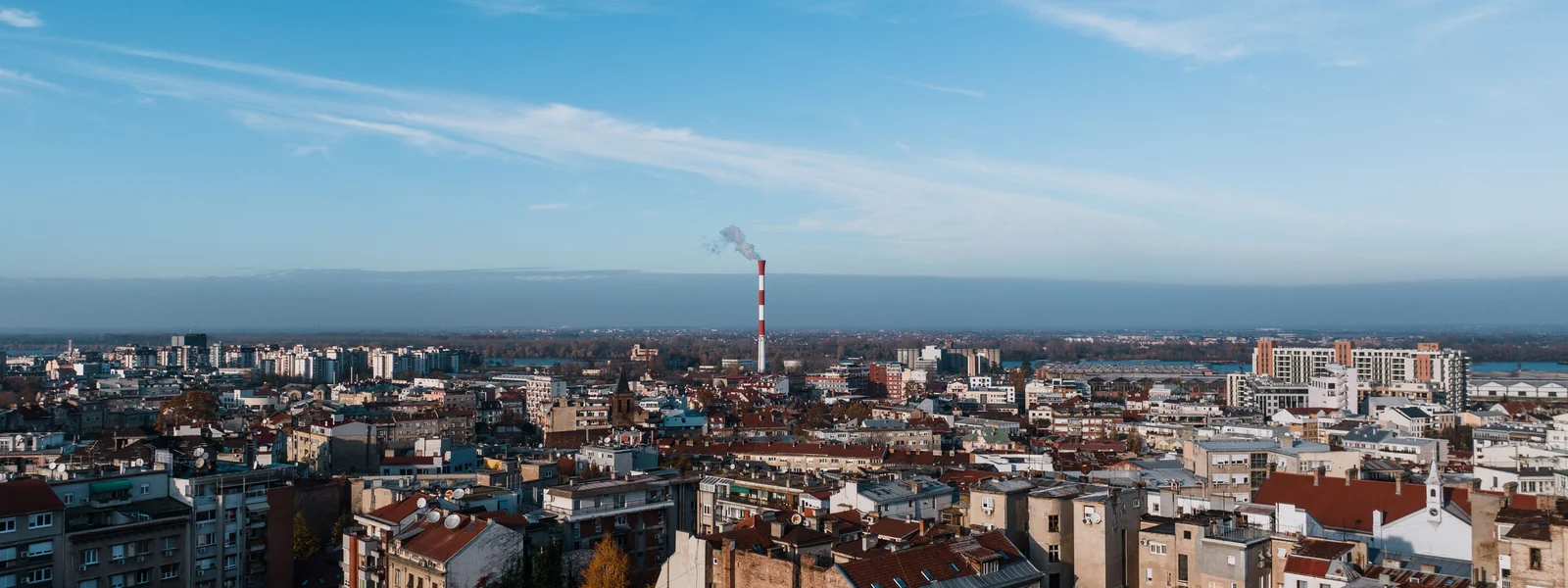
Belgrade, Serbia energetic capital at the meeting of the Danube and Sava rivers, is well connected, with fast data across the city, so connectivity there is a matter of accessing the good coverage affordably rather than worrying about signal. The city is comprehensively covered by the Serbian operators, Telekom Srbija under its mts brand, A1 Serbia and Yettel, with widespread 4G and growing 5G, so whichever host network your eSIM uses, you can expect quick, reliable data throughout the capital, from the historic core and the Kalemegdan fortress overlooking the river confluence to the bohemian Skadarlija quarter, the riverside with its famous floating clubs, the modern New Belgrade across the Sava, and the residential neighbourhoods. Streaming, video calls, navigation and heavy social media use all work well across the city, and Belgrade growing wifi availability in hotels, cafes, restaurants and its abundant coffee culture supplements the eSIM, so between the two, staying online in the capital is easy. For the traveller, this means Belgrade is a place where the connectivity concern is not whether you will have a signal, which you will, but the cost of using it, since Serbia non EU status means roaming is expensive for everyone including EU visitors, so the real decision is to use a travel eSIM to access the city good coverage affordably rather than paying costly roaming rates. With an eSIM, the good Belgrade coverage is yours at a modest cost, letting you explore the energetic capital, known for its turbulent history, its mix of architectural styles, its river setting and above all its famous nightlife and sociable atmosphere, with fast data always at hand. Belgrade has also become a notable hub for digital nomads, drawn by the combination of good connectivity, low costs and vibrant city life, so for remote workers as much as tourists, the capital offers the fast, reliable urban connectivity that makes a stay productive and enjoyable, accessed affordably through a travel eSIM.
How much data you need in Belgrade
Working out your data needs for a Belgrade stay is straightforward, because city travel has predictable patterns and the capital growing wifi takes much of the load. A typical day exploring Belgrade involves a fair amount of navigation as you find your way between the fortress, the old quarters, the riverside and the neighbourhoods, plenty of photo sharing given the city photogenic energy and river setting, looking up restaurants, clubs and opening hours, checking messages and the usual scrolling, all of which together amount to a moderate data load. For most visitors this lands somewhere around one to two gigabytes a day if you rely mostly on the eSIM, less if you lean on the wifi in your accommodation, cafes and the abundant coffee culture for the heavier tasks. Over a typical city break of three or four days, a plan of five to ten gigabytes comfortably covers a wifi assisted trip. If you plan to stream a lot of video or tether a laptop for work, as the many digital nomads in Belgrade do, size up accordingly, since remote work data adds up, though leaning on the abundant accommodation, cafe and coworking wifi keeps the eSIM need reasonable. The key Serbia point for Belgrade is that, because of the non EU status, this data should come from a travel eSIM rather than expensive roaming, even for EU visitors, so you buy a Serbia eSIM sized for your stay and use it for the city good coverage. For sharing the experience, Belgrade is highly photogenic, the river confluence, the fortress, the lively streets and the famous floating clubs, so fast data means your photos and videos upload instantly, with photo sharing being light on data while heavy streaming is best saved for wifi. The simple approach is to estimate a couple of gigabytes a day for the city, lean on the good wifi, size up for remote work, and buy a Serbia eSIM covering your stay, after which data is the last thing you need to worry about in the well connected capital.
Exploring Belgrade with your eSIM
A reliable eSIM enhances how you explore Belgrade, feeding you navigation and information across the energetic, characterful capital. The city rewards wandering, from the historic Kalemegdan fortress with its commanding views over the meeting of the Danube and Sava, through the old town and the bohemian Skadarlija quarter with its cobbled street and traditional restaurants, to the riverside with its famous floating clubs and bars, and across the Sava to the modern New Belgrade, and live navigation keeps you oriented through this sprawling, layered city. Getting around involves walking the central areas, using the public transport, taxis or ride hailing apps, all easy to navigate with live maps on the city good coverage. Beyond getting around, the eSIM unlocks the city information on demand. You can read about Belgrade turbulent history as you stand among the architecture that reflects it, check whether a museum or the fortress is open, find the best restaurants and the famous nightlife spots, look up the floating river clubs that define Belgrade after dark, and translate the occasional Cyrillic sign with a translation app, since Serbian uses both Cyrillic and Latin scripts. The city rewards the curious and connected traveller, and a live connection feeds it at every turn. For sharing the experience, Belgrade energetic streets, its river setting and its nightlife are endlessly shareable, and fast data means your photos and videos upload instantly while you keep up a running conversation through messaging apps like WhatsApp and Viber. All of this runs on the good coverage that blankets the capital, so exploring Belgrade with a travel eSIM feels completely frictionless, the connection fading into the background while the energetic, sociable, history rich city takes centre stage, with the only Serbia specific point being that the eSIM, rather than expensive roaming, is how you access that good coverage affordably given the non EU status.
Belgrade as a base and a nomad hub
Belgrade makes an excellent base, both for exploring Serbia and the wider region and as a hub for the growing community of digital nomads who have made it a favourite, and its good connectivity supports both roles. As a base for travel, Belgrade central location and its good transport connections put the rest of Serbia and the wider Balkans within reach, so day trips and onward travel to Novi Sad to the north, the mountains of Kopaonik, Zlatibor or Tara, and neighbouring countries are all feasible, with your Serbia eSIM keeping you connected across the country good coverage, and a regional Balkans eSIM an option if you are touring several countries. As a digital nomad hub, Belgrade has developed a real ecosystem, with abundant laptop friendly cafes, a growing number of coworking spaces, an affordable cost of living, a central location with easy flights, and a famously sociable atmosphere that makes it easy to connect with other nomads and locals, so for remote workers the city offers fast connectivity, good infrastructure and an appealing lifestyle. For these longer staying nomads, the good urban coverage accessed through a generous travel eSIM or a local Serbian SIM, supplementing the abundant accommodation, cafe and coworking wifi, provides reliable connectivity for remote work, with the non EU status meaning a deliberate data arrangement rather than carrier coverage, a small consideration for an otherwise excellent base. Whether you are using Belgrade as a base for a few days of exploring Serbia and the Balkans or as a hub for a longer remote working stay, the capital good connectivity, accessed affordably through a travel eSIM given the non EU status, supports the role, keeping you online for navigation, planning, remote work and the famous Belgrade social life alike, in a city that has become one of the region most appealing and affordable bases for travellers and nomads.
Tips for your Belgrade connectivity
A few final tips ensure your connectivity in Belgrade is as smooth as the well covered capital allows, with the non EU status the main thing to plan around. First, buy and install a Serbia eSIM before arriving, since the non EU status means you cannot rely on carrier coverage even as an EU visitor, so arriving with the eSIM ready means you walk out of Belgrade airport already connected without finding a shop or handling dinars. Second, activate the eSIM on arrival and crucially disable data roaming on your home line, so it cannot incur expensive non EU charges in the background, a particular trap for EU visitors accustomed to leaving roaming on across the EU. Third, take advantage of Belgrade growing wifi for your heavier tasks, doing large downloads, video calls and backups on the connections in your accommodation, the abundant cafes and the coworking spaces, which keeps your paid eSIM data for navigation and apps while out, stretching it further in this non EU country. Fourth, keep your home SIM active alongside the eSIM for the verification codes that banks and apps send by text, with data roaming disabled on that line. Fifth, install Viber alongside WhatsApp, since Viber is widely used in Serbia and the Balkans, so having both covers you for communicating with locals, hosts and businesses. Sixth, keep a translation app handy for the Cyrillic signage, since Serbian uses both Cyrillic and Latin scripts, though mapping apps and the tourist sphere often use Latin. Seventh, use the connectivity to dive into Belgrade energy, finding the famous floating river clubs, the bohemian Skadarlija quarter, the fortress and the city renowned nightlife, all easy to navigate and look up with your eSIM. Belgrade rewards the connected, sociable traveller, and with these habits your eSIM fades into the background, leaving you free to enjoy one of Europe most energetic and affordable capitals, accessed affordably through the travel eSIM that the non EU status makes the sensible choice.
Tips for your Belgrade connectivity
A few final tips ensure your connectivity in Belgrade is as smooth as the well covered capital allows, with the non EU status the main thing to plan around. First, buy and install a Serbia eSIM before arriving, since the non EU status means you cannot rely on carrier coverage even as an EU visitor, so arriving with the eSIM ready means you walk out of Belgrade airport already connected without finding a shop or handling dinars. Second, activate the eSIM on arrival and crucially disable data roaming on your home line, so it cannot incur expensive non EU charges in the background, a particular trap for EU visitors accustomed to leaving roaming on across the EU. Third, take advantage of Belgrade growing wifi for your heavier tasks, doing large downloads, video calls and backups on the connections in your accommodation, the abundant cafes and the coworking spaces, which keeps your paid eSIM data for navigation and apps while out, stretching it further in this non EU country. Fourth, keep your home SIM active alongside the eSIM for the verification codes that banks and apps send by text, with data roaming disabled on that line. Fifth, install Viber alongside WhatsApp, since Viber is widely used in Serbia and the Balkans, so having both covers you for communicating with locals, hosts and businesses. Sixth, keep a translation app handy for the Cyrillic signage, since Serbian uses both Cyrillic and Latin scripts, though mapping apps and the tourist sphere often use Latin. Seventh, use the connectivity to dive into Belgrade energy, finding the famous floating river clubs, the bohemian Skadarlija quarter, the fortress and the city renowned nightlife, all easy to navigate and look up with your eSIM. Belgrade rewards the connected, sociable traveller, and with these habits your eSIM fades into the background, leaving you free to enjoy one of Europe most energetic and affordable capitals, accessed affordably through the travel eSIM that the non EU status makes the sensible choice.
Plans for Serbia
Serbia eSIM plans
Prices in USD. Instant QR activation. Pick your data, land connected.
FAQ
How much data do travelers need in Serbia?
Working out your data needs for a Belgrade stay is straightforward, because city travel has predictable patterns and the capital growing wifi takes much of the load. A typical day exploring Belgrade involves a fair amount of navigation as you find your way between the fortress, the old quarters, the riverside and the neighbourhoods, plenty of photo sharing given the city photogenic energy and river setting, looking up restaurants, clubs and opening hours, checking messages and the usual scrolling, all of which together amount to a moderate data load.
Is a travel eSIM better than local SIM or roaming in Serbia?
A reliable eSIM enhances how you explore Belgrade, feeding you navigation and information across the energetic, characterful capital. The city rewards wandering, from the historic Kalemegdan fortress with its commanding views over the meeting of the Danube and Sava, through the old town and the bohemian Skadarlija quarter with its cobbled street and traditional restaurants, to the riverside with its famous floating clubs and bars, and across the Sava to the modern New Belgrade, and live navigation keeps you oriented through this sprawling, layered city.
What should travelers know about belgrade as a base and a nomad hub in Serbia?
Belgrade makes an excellent base, both for exploring Serbia and the wider region and as a hub for the growing community of digital nomads who have made it a favourite, and its good connectivity supports both roles. As a base for travel, Belgrade central location and its good transport connections put the rest of Serbia and the wider Balkans within reach, so day trips and onward travel to Novi Sad to the north, the mountains of Kopaonik, Zlatibor or Tara, and neighbouring countries are all feasible, with your Serbia eSIM keeping you connected across the country good coverage, and a regional Balkans eSIM an option if you are touring several countries.
What is the connectivity picture in Serbia?
A few final tips ensure your connectivity in Belgrade is as smooth as the well covered capital allows, with the non EU status the main thing to plan around. First, buy and install a Serbia eSIM before arriving, since the non EU status means you cannot rely on carrier coverage even as an EU visitor, so arriving with the eSIM ready means you walk out of Belgrade airport already connected without finding a shop or handling dinars. Second, activate the eSIM on arrival and crucially disable data roaming on your home line, so it cannot incur expensive non EU charges in the background, a particular trap for EU visitors accustomed to leaving roaming on across the EU.