Tallinn and Northern Estonia eSIM: Staying Connected
Why northern Estonia is its own connectivity story
Northern Estonia is the most visited and most populated part of the country, anchored by Tallinn, the beautifully preserved medieval capital, and running east along a coast of limestone cliffs, waterfalls, Soviet era industrial relics and national parks to the border city of Narva. It is also the gateway from Helsinki, since the ferries from Finland dock right in Tallinn's port, making this region the entry point for the huge numbers who combine the two cities. For connectivity, northern Estonia is excellent throughout: Tallinn is a tech hub with coverage rivaling anywhere in Europe, and the coastal region, the national parks and even the eastern border city are all well served, because Estonia's digital state extends its connectivity everywhere. This is the easy, fully connected face of Estonia, the region where you will least think about your phone, and understanding it as a distinct area helps especially for travelers arriving from Helsinki who want to know what to expect the moment they step off the ferry.
Tallinn: a fully connected tech capital
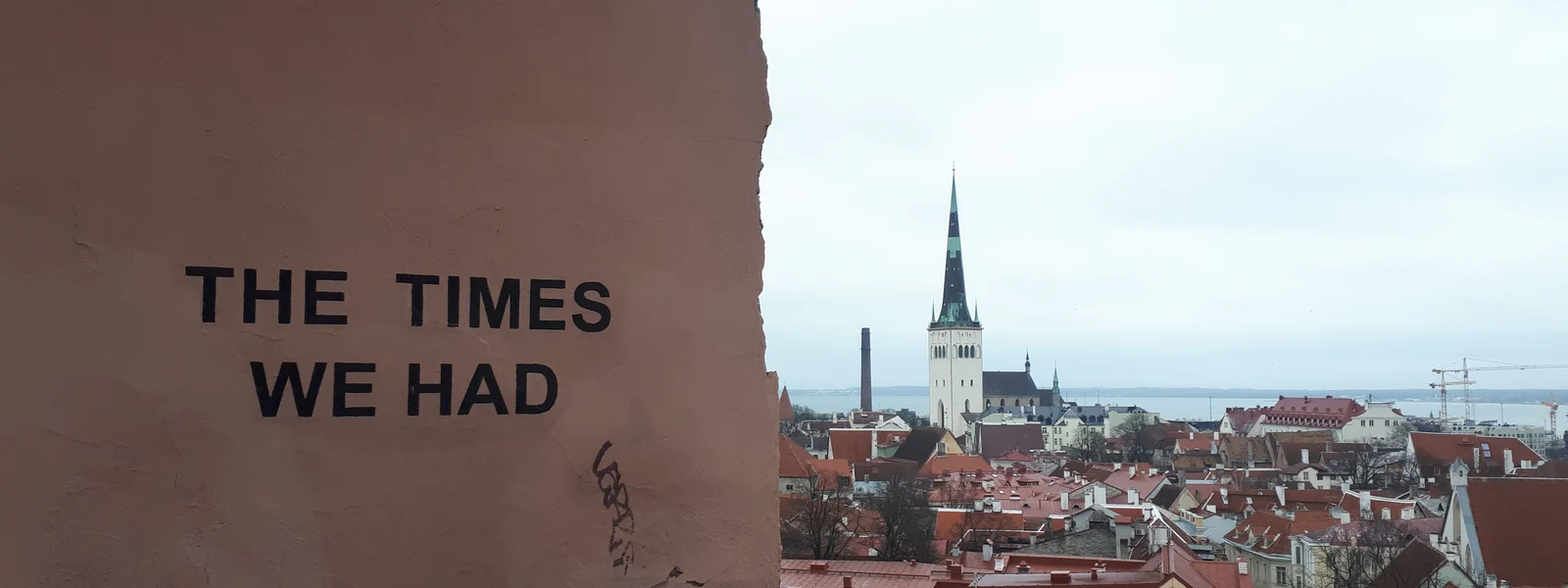
In Tallinn you have nothing to worry about. The UNESCO listed medieval old town, with its cobbled lanes, town hall square and ancient walls, has full fast coverage despite its ancient stones, so you can navigate the maze of streets, share the fairytale views and tap to pay everywhere without a thought. The modern districts, the regenerated Telliskivi creative city with its cafes and startups, the seaside areas, and the port where the Helsinki ferries arrive all have strong 5G and 4G from every network. Tallinn is a genuine technology capital, home to a thriving startup ecosystem and the birthplace of Skype, so its connectivity is world class, with abundant free wifi on top of the excellent mobile coverage. For the substantial portion of any northern Estonia trip spent in Tallinn, which for many visitors is the whole trip, connectivity is flawless, and the city works as smoothly for a digital nomad taking video calls as it does for a tourist sharing photos of the medieval skyline.
The northern coast and national parks
East of Tallinn, the northern coast runs along a distinctive limestone escarpment, with sea cliffs, the highest waterfall in Estonia at Jagala, the dramatic Lahemaa national park with its forests, bogs, manor houses and fishing villages, and further east the Soviet industrial heritage around the mining towns. This whole coastal region is well covered, with signal along the roads, in the villages and at the main sights, so exploring the northern coast keeps you connected throughout. Lahemaa national park, the most popular in the country, has good coverage along its roads, trails and at its restored manor houses, with only the deepest bog and forest interiors potentially thinning out, relevant only to serious hikers who should cache their maps first. The coastal drive east is a connected one, letting you navigate, share the cliffs and waterfalls, and check information as you go, which is impressive for a region that feels remote and wild in places but benefits from Estonia's thorough national coverage.
Narva and the eastern border
At the eastern end of northern Estonia sits Narva, the country's third city, right on the Russian border, where two great fortresses face each other across the river that divides the European Union from Russia. Narva is well covered on the Estonian side, with the usual strong signal in the city. The one connectivity consideration here is the border itself: this is the edge of the EU, and you should ensure your phone stays on an Estonian network rather than latching onto a Russian signal from across the river, which would drop you out of EU carrier terms and could incur charges or, given the sensitivity of this particular frontier, simply be undesirable. Keeping an eye on which network your phone displays, as the operators satellite explains, is a sensible habit right at the border. Otherwise Narva and the eastern region are well connected, and the dramatic sight of the facing fortresses, one flying the EU flag and one the Russian, is fully shareable, a striking image of Estonia's position at the eastern edge of Europe.
A smart setup for northern Estonia
For northern Estonia, the setup is straightforward because the region is so well covered. An EU resident roams free, which is especially relevant here given the constant flow of arrivals from Helsinki with Finnish or other EU plans that simply keep working; everyone else buys an Estonia eSIM, and since the whole region is well covered you need not fret over which network. Base yourself in Tallinn, the natural hub and ferry arrival point, and explore the city and the coast with confidence that your phone works throughout. The only minor habits worth keeping: cache offline maps if you plan a deep hike into Lahemaa's bog or forest interiors, and watch your network at the Narva border to stay on the Estonian side. A connected itinerary might run several days in Tallinn exploring the old town and the modern districts, a day trip or overnight along the northern coast to Lahemaa's manors and waterfalls, and perhaps a journey east to Narva's facing fortresses, all on strong signal. If your trip pairs Tallinn with Helsinki across the gulf, a regional plan covering both keeps you connected on the ferry and on the far shore. Northern Estonia is the connected heart of a connected country, and it makes a wonderfully easy introduction to the world's most digital nation.
A connected itinerary through the north
To see how it all fits together, picture several days in northern Estonia with connectivity handled, which in this well covered region is effortless. You arrive, very likely on the ferry from Helsinki, stepping off into Tallinn's port already connected, and spend the first days exploring the medieval old town, navigating the maze of cobbled lanes to the town hall square and the ancient walls, sharing the fairytale views, and tapping to pay in cafes, all on flawless signal despite the ancient stones. You spend time in the regenerated Telliskivi creative city, full of cafes, startups and street art, working from a coworking space in the afternoon if you need to, with world class connectivity throughout. Then you head east along the northern coast, the drive well covered, to the Lahemaa national park with its restored manor houses, bog boardwalks and fishing villages, staying online for navigation and sharing as you explore, caching a map only if you plan a deep hike into the bog interior. For the adventurous, a journey further east takes you to Narva on the Russian border, where the two great fortresses face each other across the river, fully connected on the Estonian side, with just a watchful eye on your network at the border itself. Throughout, an Estonia eSIM, or simply your roaming EU plan if you arrived from Helsinki with one, keeps you connected for the whole region, and if your trip pairs Tallinn with Helsinki, a regional plan covers the gulf crossing. Northern Estonia is the connected heart of a connected country, and this itinerary flows as smoothly as the digital nation that hosts it, letting you focus on the medieval beauty, the dramatic coast and the striking border rather than ever thinking about your phone.
The mindset for arriving from Helsinki
There is a particular pleasure to northern Estonia for the many travelers who arrive from Helsinki across the gulf, and a useful mindset that comes with it. The ferry from Helsinki to Tallinn takes only a couple of hours across the Gulf of Finland, and because both countries are in the EU, a traveler with an EU plan or a regional eSIM simply stays connected the whole way, stepping off the boat in Tallinn's port without any change to their phone, which makes the two cities feel almost like a single connected region split by a short stretch of sea. Embracing this, the smart traveler treats Tallinn and Helsinki as a connectivity pair, buying a regional plan covering both if they are not on a roaming EU plan, so the gulf becomes a non event for their phone rather than a border to manage. Arriving this way into Tallinn, you go straight from the connected comfort of one Nordic capital to the connected comfort of another, with the bonus that Tallinn is markedly cheaper and offers the medieval charm and digital sophistication that make it such a rewarding contrast to Helsinki. The mindset that serves you is to let the gulf crossing be seamless, plan your connectivity to span both cities, and then enjoy the genuine ease of moving between two of the most wired countries on earth without ever fumbling with your phone. Northern Estonia, as the gateway from Finland and the connected heart of a connected country, rewards this approach with one of the smoothest and most pleasant arrivals in European travel, where the technology simply works and gets out of the way, leaving you free to step from the ferry into the cobbled medieval streets of Tallinn and start exploring at once.
Plans for Estonia
Estonia eSIM plans
Prices in USD. Instant QR activation. Pick your data, land connected.
FAQ
How should travelers set up and activate an eSIM for Estonia?
For northern Estonia, the setup is straightforward because the region is so well covered. An EU resident roams free, which is especially relevant here given the constant flow of arrivals from Helsinki with Finnish or other EU plans that simply keep working; everyone else buys an Estonia eSIM, and since the whole region is well covered you need not fret over which network. Base yourself in Tallinn, the natural hub and ferry arrival point, and explore the city and the coast with confidence that your phone works throughout. The only minor habits worth keeping: cache offline maps if you plan a deep hike into Lahemaa's bog or forest interiors, and watch your network at the Narva border to stay on the Estonian side.
What should travelers prepare before entering low-coverage areas in Estonia?
At the eastern end of northern Estonia sits Narva, the country's third city, right on the Russian border, where two great fortresses face each other across the river that divides the European Union from Russia. Narva is well covered on the Estonian side, with the usual strong signal in the city. The one connectivity consideration here is the border itself: this is the edge of the EU, and you should ensure your phone stays on an Estonian network rather than latching onto a Russian signal from across the river, which would drop you out of EU carrier terms and could incur charges or, given the sensitivity of this particular frontier, simply be undesirable.
What should travelers know about tallinn: a fully connected tech capital in Estonia?
In Tallinn you have nothing to worry about. The UNESCO listed medieval old town, with its cobbled lanes, town hall square and ancient walls, has full fast coverage despite its ancient stones, so you can navigate the maze of streets, share the fairytale views and tap to pay everywhere without a thought. The modern districts, the regenerated Telliskivi creative city with its cafes and startups, the seaside areas, and the port where the Helsinki ferries arrive all have strong 5G and 4G from every network. Tallinn is a genuine technology capital, home to a thriving startup ecosystem and the birthplace of Skype, so its connectivity is world class, with abundant free wifi on top of the excellent mobile coverage.
What should travelers know about a connected itinerary through the north in Estonia?
To see how it all fits together, picture several days in northern Estonia with connectivity handled, which in this well covered region is effortless. You arrive, very likely on the ferry from Helsinki, stepping off into Tallinn's port already connected, and spend the first days exploring the medieval old town, navigating the maze of cobbled lanes to the town hall square and the ancient walls, sharing the fairytale views, and tapping to pay in cafes, all on flawless signal despite the ancient stones. You spend time in the regenerated Telliskivi creative city, full of cafes, startups and street art, working from a coworking space in the afternoon if you need to, with world class connectivity throughout.