Norway 5G and 4G Coverage 2026: Where Signal Reaches
The big picture: impressive reach across brutal terrain
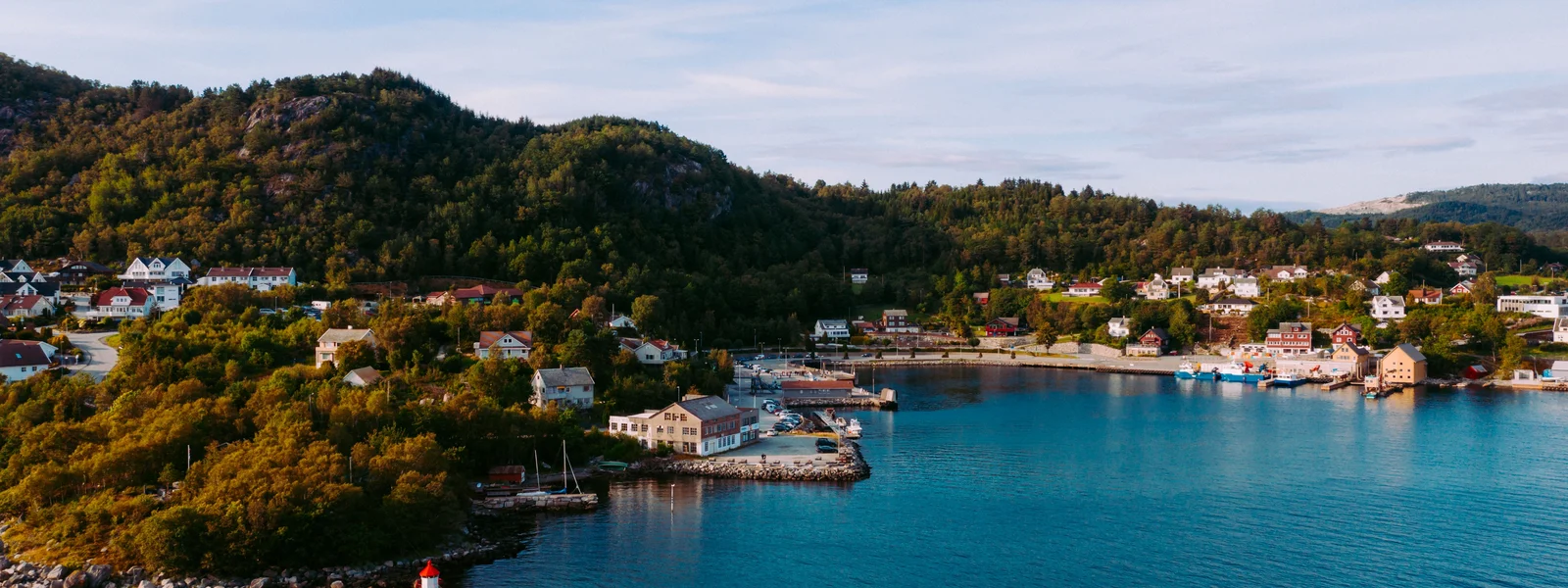
Norway's coverage map is a quiet triumph over geography. This is one of the most mountainous, fjord cut and elongated countries on earth, and yet its mobile networks reach far more of it than the terrain would suggest, because Norway is wealthy and has invested heavily in covering its scattered population. In the cities, the towns, along the populated fjords and the main roads, and up much of the long coast into the Arctic settlements, coverage is fast and reliable. The dead zones are genuinely geographic rather than a failing of the networks: the high mountain plateaus, the remote peaks and glaciers, the wilderness between settlements, the long open sea crossings, and the interiors of the longer tunnels. This satellite walks through each zone, and the key message is that Norwegian coverage follows the people, the roads and the water with impressive determination, so for the fjords, the coast and the cities you are generally well connected, while the high wilderness and the long sea legs are where you prepare to be offline.
5G and 4G in the cities and populated areas
5G in Norway is concentrated in the cities and population centres, and on a recent phone you will see it regularly in Oslo, Bergen, Trondheim, Stavanger and the larger towns, with coverage expanding steadily. For travel purposes, though, 4G is what actually carries your trip, and Norwegian 4G is excellent in and around the cities, along the populated fjords and the main roads, and good up much of the coast. The networks reach the inhabited valleys and fjordside communities well, so a trip that follows the classic routes, the cities, the main fjords, the popular scenic drives, keeps you connected for the great majority of the time. The abundant free wifi in the cities and on many ferries and trains further smooths the experience. If your Norway is Oslo, Bergen, the main fjords and the well travelled routes, coverage is genuinely good and you can largely relax, with the dramatic dead zones reserved for when you climb high or head far off the beaten track.
The mountain and plateau dead zones
The genuine coverage gaps follow Norway's dramatic topography. The high mountain plateaus, above all the vast Hardangervidda, Europe's largest mountain plateau, have sparse coverage, as do the remote peaks, the glaciers and the wilderness between settlements. When you leave the inhabited valleys and fjordsides and climb into the high country, or strike out on a remote hiking trail or a back road through the mountains, you can lose signal for long stretches. This is not unusual for such terrain and it is entirely manageable with preparation: download offline maps before you head into the high country, favour Telenor or Telia for the broadest reach, and treat the mountains and plateaus as places to be self sufficient. The famous scenic drives that climb over high passes, the trails into the national parks, and the wilder corners away from the fjordside roads are where you should expect the signal to come and go, so prepare accordingly and enjoy the disconnection in some of Europe's most spectacular wild landscapes.
Tunnels, ferries and the long coast
Two features of Norwegian travel deserve special coverage notes. The first is tunnels, which are everywhere in this mountainous country and include some of the longest in the world, such as the Lærdal tunnel at over twenty four kilometres. Many tunnels now have mobile coverage installed, but you can lose signal inside the longer or older ones, so never rely on live navigation through a tunnel, and let your offline map carry you through. The second is the sea. Norway's coast is served by ferries and the famous coastal voyage ships, and on crossings you will have signal near the ports and along routes close to inhabited coast, but expect gaps on longer open water stretches, especially in the remote north. The long coast itself, stretching up into the Arctic, is surprisingly well covered in and around its settlements and along the coastal shipping routes, a testament to Norwegian investment, but the open sea between is patchy. Download maps, tickets and entertainment before longer crossings and tunnel heavy drives, and treat the open sea as intermittent.
The Arctic north and Svalbard
The far north of mainland Norway, from Tromso up to the Cap Nord and beyond, is more populated and better connected than its latitude suggests, with good coverage in Tromso, Alta, Hammerfest and the northern towns, in the aurora destinations, and along the main northern roads and the coastal voyage routes, so an Arctic mainland trip for the northern lights or the midnight sun keeps you connected in the towns and on the main routes, with the usual wilderness gaps away from them. Svalbard, however, is a different matter entirely and must be flagged clearly. This high Arctic archipelago, far out in the Arctic Ocean, is under Norwegian sovereignty but sits outside standard Norwegian mainland mobile coverage and outside normal EEA carrier terms, so neither a regular Norway eSIM nor your European roaming will reliably work there. Longyearbyen, the main settlement, has local connectivity and accommodation wifi, but you should treat Svalbard as a separate connectivity world, rely on local and expedition wifi, and never assume your mainland coverage or eSIM follows you to the archipelago, planning a separate arrangement if staying connected there matters.
How to plan around Norway's coverage gaps
Knowing where coverage is strong and where it fades is only useful if you know what to do about it, so here is the practical planning layer that turns this coverage map into a smooth trip. The principle follows Norway's geography. In the cities, the populated fjords, the towns and along the main roads, which is where most of a typical trip happens, you rely on a live connection and think nothing of it, treating coverage as the largely solved problem it is, and you can buy your eSIM on price and convenience without considering the network. In the high mountains, the plateaus like the Hardangervidda, the remote wilderness, the long tunnels and the open sea, you switch mindset entirely: favour a Telenor based eSIM for the broadest reach, download offline maps before you leave the last connected town, save your bookings and information offline, and accept that being out of signal in the high country, in a long tunnel or on an open sea crossing is normal and part of the experience rather than a fault. The single most important planning action for any fjord, mountain or remote travel is to download everything you might need offline in advance, because the high wilderness and the long tunnels will not give you a connection to load a map or a booking when you need it, and the single most important purchasing action is to choose a network with strong wilderness reach. The tunnels deserve a specific habit: never rely on live navigation through a long tunnel, always have the route saved offline, since even tunnels with coverage can have gaps. Get those things right, relax in the populated areas and prepare for the high country, the tunnels and the sea, and the whole magnificent country opens up, from the seamless connectivity of Oslo to the profound, sometimes signal free grandeur of the Hardangervidda and the open Arctic water, each enjoyed on its own terms with the right preparation behind you, and with Svalbard always understood as a separate world.
A note on speed, the seasons and the cold
One dimension worth adding to the coverage picture is how speed, the seasons and the climate interact with Norway's geography, because the experience of using your phone here shifts with all three. In the cities and populated areas, the networks are not just available but genuinely fast, with strong 5G in the urban centres delivering high speeds and smooth 4G everywhere people live, rarely congested thanks to the well built infrastructure of a wealthy society, so connectivity in the populated areas is excellent in quality as well as reach. Seasonal congestion is minimal in a country without extreme tourist crush, though popular fjord viewpoints and Lofoten can get busy in the short summer peak. The climate, however, adds a real wrinkle in the north and the mountains: the deep Arctic and alpine cold of the long northern winter drains phone batteries dramatically, so a phone showing good signal can still die quickly in the cold, which matters when your phone is your map and your link, making power banks and keeping your phone warm against your body essential habits for winter and high mountain travel. The dramatic seasonal swings of light, the midnight sun of summer and the long polar darkness of the northern winter, change how and when you travel but not the coverage itself, which depends on masts not daylight. The practical upshot is that in the populated areas you can expect a fast, stable connection in any season, while in the mountains and the far north the coverage challenge is about reach into the wilderness rather than speed, compounded in winter by the cold's effect on your battery, so wilderness and winter preparation means not just offline maps and a strong network like Telenor but also careful power management against the Arctic and alpine chill, ensuring the phone that connects you in the towns still has charge when you return from the signal free high country or the dark winter night under the aurora.
Plans for Norway
Norway eSIM plans
Prices in USD. Instant QR activation. Pick your data, land connected.
FAQ
How to plan around Norway's coverage gaps?
Knowing where coverage is strong and where it fades is only useful if you know what to do about it, so here is the practical planning layer that turns this coverage map into a smooth trip. The principle follows Norway's geography. In the cities, the populated fjords, the towns and along the main roads, which is where most of a typical trip happens, you rely on a live connection and think nothing of it, treating coverage as the largely solved problem it is, and you can buy your eSIM on price and convenience without considering the network.
What coverage and network performance should travelers expect in Norway?
5G in Norway is concentrated in the cities and population centres, and on a recent phone you will see it regularly in Oslo, Bergen, Trondheim, Stavanger and the larger towns, with coverage expanding steadily. For travel purposes, though, 4G is what actually carries your trip, and Norwegian 4G is excellent in and around the cities, along the populated fjords and the main roads, and good up much of the coast. The networks reach the inhabited valleys and fjordside communities well, so a trip that follows the classic routes, the cities, the main fjords, the popular scenic drives, keeps you connected for the great majority of the time.
What should travelers prepare before entering low-coverage areas in Norway?
The genuine coverage gaps follow Norway's dramatic topography. The high mountain plateaus, above all the vast Hardangervidda, Europe's largest mountain plateau, have sparse coverage, as do the remote peaks, the glaciers and the wilderness between settlements. When you leave the inhabited valleys and fjordsides and climb into the high country, or strike out on a remote hiking trail or a back road through the mountains, you can lose signal for long stretches.
What should travelers know about the big picture: impressive reach across brutal terrain in Norway?
Norway's coverage map is a quiet triumph over geography. This is one of the most mountainous, fjord cut and elongated countries on earth, and yet its mobile networks reach far more of it than the terrain would suggest, because Norway is wealthy and has invested heavily in covering its scattered population. In the cities, the towns, along the populated fjords and the main roads, and up much of the long coast into the Arctic settlements, coverage is fast and reliable. The dead zones are genuinely geographic rather than a failing of the networks: the high mountain plateaus, the remote peaks and glaciers, the wilderness between settlements, the long open sea crossings, and the interiors of the longer tunnels.