Lofoten and Northern Norway eSIM: Coverage in the Arctic
Why northern Norway is a world apart
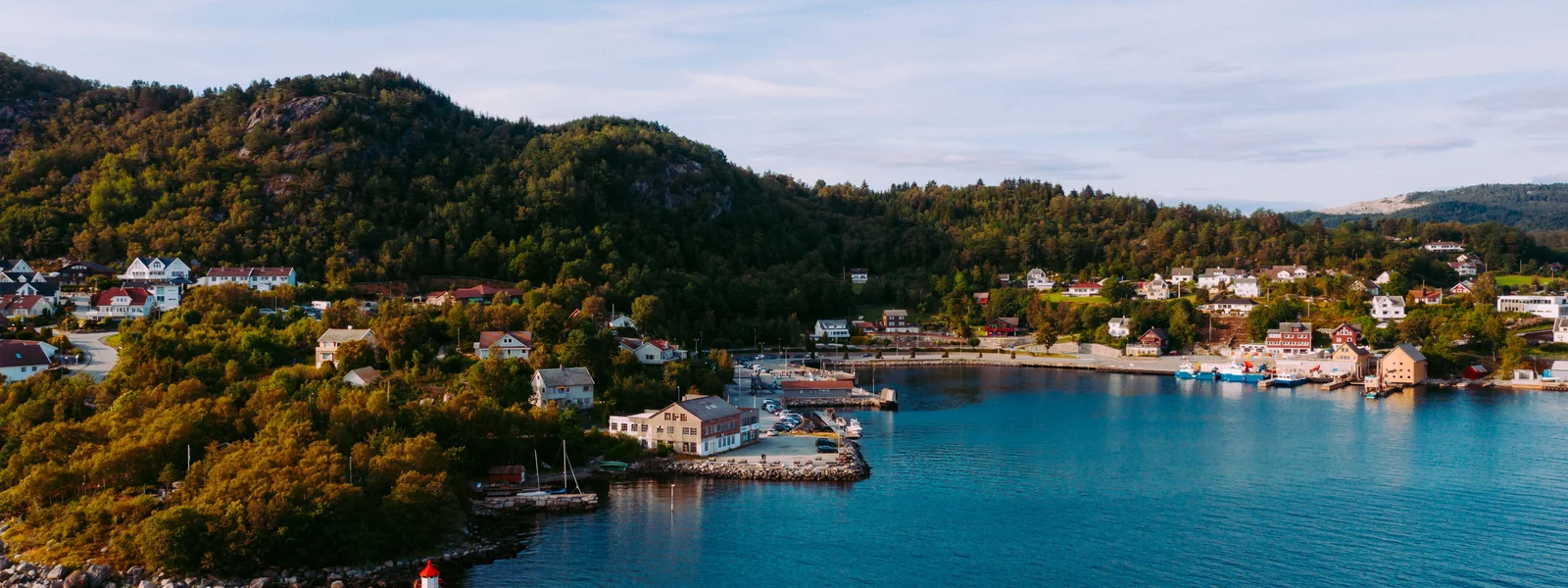
Northern Norway, from the Lofoten islands up through Tromso to the Cap Nord and the far Arctic, is one of the most extraordinary travel destinations on earth, a land of jagged peaks rising straight from the sea, fishing villages on turquoise water, the northern lights in winter and the midnight sun in summer, reindeer and Sami culture, and the long dramatic coast plied by the famous coastal voyage ships. It is also surprisingly well connected for somewhere so far north and so remote, because Norway has invested in covering its Arctic settlements and the coastal shipping route, so a northern trip keeps you connected far more than its latitude suggests. The caveats are the wilderness between settlements, the open sea on longer crossings, the high mountains, and crucially Svalbard, the high Arctic archipelago that sits outside standard Norwegian coverage entirely. This regional satellite covers the Arctic north, with the theme that the towns, the islands' main areas and the coastal route are well connected, while the deep wilderness and Svalbard are where you prepare to be offline.
Lofoten and the island connectivity
The Lofoten islands, that astonishing chain of peaks and fishing villages strung out into the Arctic sea, are among Norway's most photographed destinations and are well connected in and around their towns and main areas. The villages of Reine, Henningsvær, Svolvær and the rest have good coverage, as do the main roads that thread the archipelago and link the islands by bridge and tunnel, so a Lofoten trip following the main route keeps you connected for navigation, bookings and sharing the scenery. Coverage thins, as ever, on the remote hiking trails up the peaks, on the quieter outer corners and on the open water around the islands, so download offline maps before tackling a trail and favour Telenor for the broadest reach. The neighbouring Vesterålen islands and the route up toward the mainland north are similarly connected in their settlements. For the great majority of a Lofoten trip, spent in the villages and on the main island roads, connectivity is genuinely good, with the gaps reserved for the high trails and the remote edges.
Tromso, the Cap Nord and the aurora north
The Arctic mainland north, anchored by Tromso, the lively gateway city for aurora hunting and Arctic adventures, is better connected than its latitude suggests. Tromso itself has fast, reliable coverage, as do Alta, Hammerfest and the northern towns, and the aurora destinations and the main northern roads generally keep you connected. The drive or journey up to the Cap Nord, the famous northernmost point, follows roads that are covered in and around the settlements with the usual wilderness gaps in between. Aurora hunting, a major reason to visit, often takes you out of the towns into the dark countryside at night to escape light pollution, and while you will usually still have signal near the roads and settlements, the remotest aurora spots can be patchy, so download offline maps for any night drive into the wilderness. The reassuring theme holds: the towns, the main roads and the aurora hubs are well connected, so a northern lights trip based around them keeps you online, with only the deepest wilderness excursions asking for offline preparation.
The coastal voyage and the open sea
One of the classic ways to experience northern Norway is the coastal voyage, the famous ship route that runs up the long Norwegian coast calling at ports large and small, and its connectivity follows a clear pattern. In and approaching the ports, of which there are many, you have signal, often good, so you can post your photos and check in with home at each stop. Between ports, on the open water stretches, especially the longer and more exposed northern legs and the crossings of open sea, coverage drops and can disappear for periods, so the voyage is a mix of connected port calls and offline sea passages. Many of the ships offer their own onboard wifi, often for a fee and of variable quality given the remote satellite based connection at sea, which helps but is not a substitute for coverage. Download anything you need, your bookings, your maps, your entertainment, before longer sea legs, and treat the open water passages as offline time to enjoy the passing Arctic coast, with your connection returning at each port. The same applies to any ferry or boat trip in the remote north.
Svalbard and the smart setup for the north
Svalbard demands its own clear warning, because it is the one part of a Norway trip where your normal connectivity simply does not apply. This high Arctic archipelago, far out in the Arctic Ocean and a remarkable destination for polar wildlife, glaciers and the extreme Arctic experience, sits outside standard Norwegian mainland mobile coverage and outside normal EEA carrier terms, so neither a regular Norway eSIM nor your European roaming will reliably work there. Longyearbyen, the main settlement, has local connectivity and accommodation wifi, but you must treat Svalbard as a separate connectivity world, rely on local and expedition wifi, and never assume your mainland coverage follows you, planning a separate arrangement if staying connected matters. For the mainland Arctic north, the smart setup ties everything together: buy a generous Norway eSIM, ideally on Telenor for the broadest northern reach, size your data well for the long drives with little wifi, download offline maps of Lofoten, the northern routes and any trails before you go, keep your home number alive for codes with its data roaming off, keep your phone charged and warm against the Arctic cold that drains batteries, and for the coastal voyage download everything before the longer sea legs. Do that and Arctic Norway, one of the most magnificent and surprisingly connected far north destinations anywhere, keeps you online in the towns, on the islands and at the ports, prepared and offline in the deep wilderness and at sea, and entirely aware that Svalbard stands apart, leaving you free to chase the aurora, the midnight sun and the Arctic light.
A connected Arctic itinerary, start to finish
To see how all of this works across a real trip, follow a well prepared Arctic itinerary from arrival to departure, because the far north rewards preparation. You fly into Tromso, the lively Arctic gateway, with your Norway eSIM already installed and tested, on Telenor for the broadest northern reach, and offline maps of Tromso, Lofoten and your northern routes downloaded in advance. You spend a couple of days in well connected Tromso, booking your aurora tours and Arctic adventures online, then head out at night into the dark countryside to chase the northern lights, staying connected near the roads and settlements while keeping your offline maps ready for the remotest spots. You fly or sail down to the Lofoten islands, connected in the villages of Reine, Henningsvær and Svolvær and along the main island roads, downloading trail maps before tackling a peak hike where the signal will fade. Perhaps you join a leg of the famous coastal voyage, connected at each port call and offline on the open sea passages between, having downloaded everything before the longer legs and using the ship's own wifi where available. Throughout, you keep your phone charged and warm against the Arctic cold that drains batteries fast, essential when your phone is your map and your link, and you keep your home number alive for codes with its data roaming off. And you understand clearly that if your trip extended to Svalbard, none of this mainland coverage would follow you, since the high Arctic archipelago sits outside standard Norwegian coverage entirely and needs its own arrangement. That single worked example captures everything this satellite teaches: the towns, the islands' main areas and the ports are well connected, the deep wilderness and the open sea are offline and prepared for, Svalbard stands apart, and a generous Telenor plan plus offline maps and cold weather power management lets you chase the aurora and the midnight sun across one of the most magnificent and surprisingly connected far north destinations on earth.
Embracing the connected and the wild Arctic
To round out the northern picture, it is worth reframing the relationship between the connected and the wild parts of Arctic Norway, because the right mindset makes the trip. The far north surprises people with how connected its towns, islands and coastal route are, so much of an Arctic trip, in Tromso, in the Lofoten villages, at the coastal voyage ports, keeps you online for your bookings, your aurora forecasts and sharing the staggering scenery. That connectivity is a genuine gift in a region so remote, and you should make full use of it. But the magic of the Arctic also lives in its wild, offline moments: standing under the aurora far from town with no notifications arriving, hiking a Lofoten peak with only your offline map and the Arctic silence, crossing open water on the coastal voyage with the signal gone and only the passing coast for company. Once you have done the practical work, choosing a Telenor based eSIM, downloading every map offline, keeping your phone charged and warm against the cold, those offline moments become a feature rather than a fault, a rare disconnection in some of the planet's most beautiful and remote terrain. The contrast between the connected towns and the wild spaces is part of what makes the Arctic so special, and preparing properly is what lets you enjoy both safely. And always hold the clear understanding that Svalbard is a step beyond even this, a high Arctic world outside standard coverage entirely, where you rely on local connectivity and accept being truly far from the normal network. Prepare for the wild north, make full use of its surprising connectivity where it exists, embrace the offline moments under the aurora and the midnight sun, and Arctic Norway becomes not a place of connectivity anxiety but one of the most profound and rewarding journeys available anywhere on earth.
Plans for Norway
Norway eSIM plans
Prices in USD. Instant QR activation. Pick your data, land connected.
FAQ
How should travelers set up and activate an eSIM for Norway?
Svalbard demands its own clear warning, because it is the one part of a Norway trip where your normal connectivity simply does not apply. This high Arctic archipelago, far out in the Arctic Ocean and a remarkable destination for polar wildlife, glaciers and the extreme Arctic experience, sits outside standard Norwegian mainland mobile coverage and outside normal EEA carrier terms, so neither a regular Norway eSIM nor your European roaming will reliably work there.
What is the connectivity picture in Norway?
The Lofoten islands, that astonishing chain of peaks and fishing villages strung out into the Arctic sea, are among Norway's most photographed destinations and are well connected in and around their towns and main areas. The villages of Reine, Henningsvær, Svolvær and the rest have good coverage, as do the main roads that thread the archipelago and link the islands by bridge and tunnel, so a Lofoten trip following the main route keeps you connected for navigation, bookings and sharing the scenery.
Why northern Norway is a world apart?
Northern Norway, from the Lofoten islands up through Tromso to the Cap Nord and the far Arctic, is one of the most extraordinary travel destinations on earth, a land of jagged peaks rising straight from the sea, fishing villages on turquoise water, the northern lights in winter and the midnight sun in summer, reindeer and Sami culture, and the long dramatic coast plied by the famous coastal voyage ships. It is also surprisingly well connected for somewhere so far north and so remote, because Norway has invested in covering its Arctic settlements and the coastal shipping route, so a northern trip keeps you connected far more than its latitude suggests.
What should travelers know about the coastal voyage and the open sea in Norway?
One of the classic ways to experience northern Norway is the coastal voyage, the famous ship route that runs up the long Norwegian coast calling at ports large and small, and its connectivity follows a clear pattern. In and approaching the ports, of which there are many, you have signal, often good, so you can post your photos and check in with home at each stop. Between ports, on the open water stretches, especially the longer and more exposed northern legs and the crossings of open sea, coverage drops and can disappear for periods, so the voyage is a mix of connected port calls and offline sea passages.