Denmark for Digital Nomads: One Month on an eSIM
Why Denmark works as a one month base
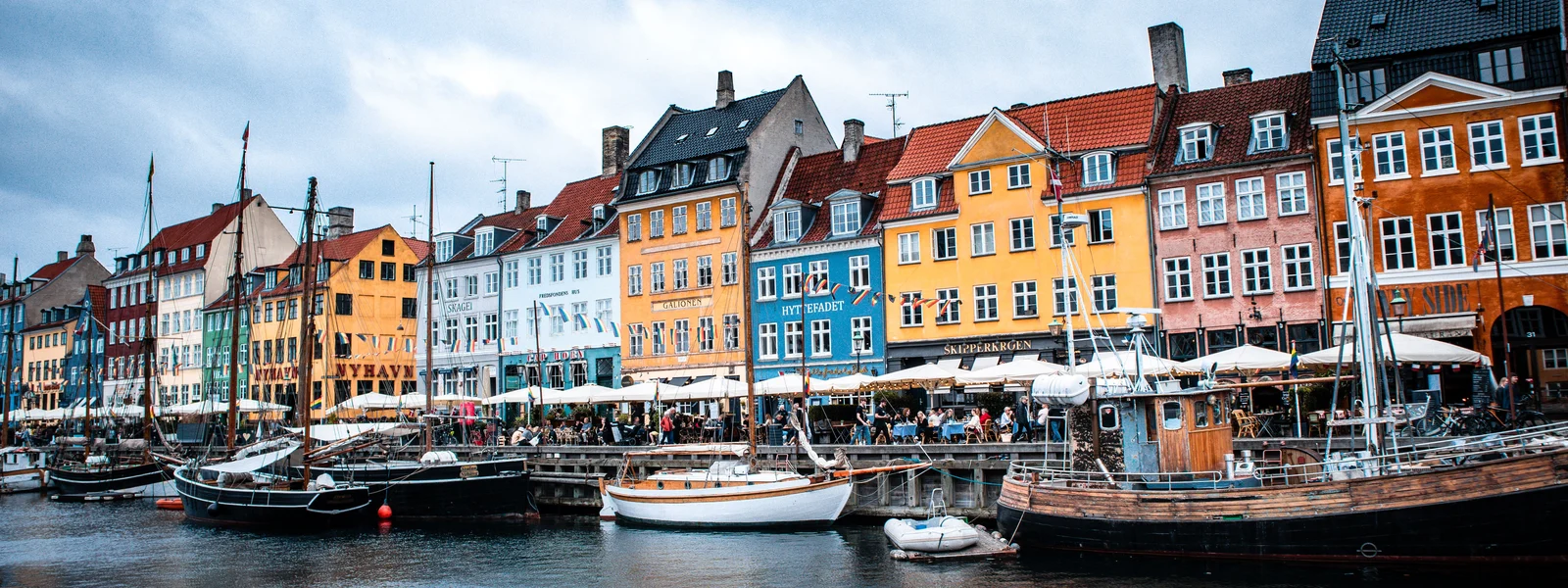
Denmark is not the cheapest base in Europe, but for a remote worker who values quality of life, infrastructure and ease, a month here is genuinely rewarding. The appeal is a combination of things: some of the fastest and most reliable internet in the world, near total mobile coverage, a famously high trust and well organised society where everything works, excellent public transport and cycling, strong English proficiency so you can function easily without Danish, and a clean, safe, design conscious environment that makes daily life pleasant. Copenhagen is the obvious headline base, a compact, walkable, bike friendly capital with a strong cafe and coworking culture, while Aarhus offers a smaller, cheaper university city alternative. The catch is cost: Denmark is expensive, so accommodation and daily living will stretch a budget further than southern Europe would. For a connected month you want dependable data to back up your accommodation wifi, and this satellite covers how much you need, where to base yourself, and what it realistically costs.
How much data a working month really needs
A remote worker uses far more data than a holidaymaker, mostly because of video calls and cloud tools. A day of video meetings, messaging, email, document syncing and general browsing can easily run one to three gigabytes, and a heavy day of back to back video calls plus some evening streaming can push past that. Over a month, if your accommodation and coworking wifi carry the bulk of your work, which in Denmark they very comfortably will given the superb internet, your mobile data is mainly a backup and a mobile office for cafe days and trips, which might mean ten to thirty gigabytes across the month. If you intend to rely on mobile data as your primary connection, plan for fifty gigabytes or more, or an unlimited style plan. The key insight in Denmark, though, is that fixed and wifi internet is so fast and ubiquitous that your eSIM is genuinely a backup rather than a workhorse, so most nomads here find their mobile data needs are modest and a generous plan covers them with room to spare.
Best bases: Copenhagen, Aarhus and the rhythm of the month
Copenhagen is the obvious first choice for a nomad month, with a genuine remote work scene, abundant coworking spaces and cafes, world class connectivity, and an easy, bike friendly daily rhythm, plus an international airport for weekend trips across Scandinavia and Europe. Aarhus, the second city, offers a smaller, younger, more affordable alternative with a lively student energy and still excellent infrastructure. Odense and Aalborg are further options for anyone wanting an even quieter and cheaper base while staying well connected. Wherever you settle in Denmark, the connectivity is a non issue, so your choice comes down to budget and atmosphere rather than whether you can get online. Many nomads base in Copenhagen for the energy and use the excellent train network and the Øresund bridge to explore Malmo and southern Sweden on weekends, which is part of the appeal of basing in this corner of Scandinavia.
Single country or regional, and reliability
For a month based in Denmark, a Denmark specific plan with a large or unlimited allowance is usually the cleanest and most cost effective choice. If you plan to hop across the Øresund to Sweden regularly, or to visit Norway, Germany or elsewhere in Europe on weekends, a regional Europe plan that covers many countries can be worth the small premium so one plan follows you across borders, which is especially relevant here given how easy the Sweden crossing is. On reliability, the practical move for a remote worker is redundancy: rely on your accommodation or coworking wifi as primary, which in Denmark is exceptionally fast and stable, and keep the eSIM ready as an instant backup so a rare wifi outage during a meeting is a quick switch rather than a crisis. Many nomads tether their laptop to the phone's eSIM data when needed, which Danish 4G and 5G handle effortlessly. In a country this well connected, building in that backup is easy and the reliability is among the best you will find anywhere.
Realistic monthly cost and a simple setup
The connectivity cost of a month in Denmark is modest in absolute terms and tiny relative to the country's high living costs. A large monthly eSIM data bundle or an unlimited style plan typically costs a manageable amount that is dwarfed by your accommodation, and it buys you the freedom to work from a cafe, a harbour bench or a train without worrying about wifi, though in Denmark you are rarely far from a fast connection anyway. The real budget consideration here is not connectivity but the broader cost of living, since Denmark is one of Europe's pricier countries for accommodation, food and going out. A simple setup that works well: install a generous Denmark eSIM before you arrive, use your apartment and coworking wifi as your main connection, and keep the eSIM as a tethering backup for calls and deadlines. With the world class infrastructure handling the heavy lifting and the connectivity essentially flawless, Denmark is one of the easiest places anywhere to spend a productive, well connected month, provided your budget can absorb the cost of living in one of Europe's most expensive corners.
Building a reliable connectivity stack for the month
To make a working month genuinely dependable, think in terms of a connectivity stack with layers of redundancy, though in Denmark this is almost overkill given how excellent the infrastructure is. The foundation is your accommodation wifi, which in a Danish city apartment or coworking space is among the fastest and most reliable in the world, and should comfortably carry the bulk of your video calls and heavy uploads. The second layer is your Denmark eSIM with a generous data allowance, which serves as both your mobile office for cafe and harbour working days and your instant backup if the apartment router ever fails mid meeting, a switch that takes seconds when the eSIM is already installed. The third layer, for the truly cautious, is the ability to tether your laptop to your phone's eSIM data, which Danish 4G and 5G handle effortlessly. Set this stack up at the start of your month and test each layer once, so you know the eSIM connects, tethering works and you can switch smoothly. Add the practical habits that make remote work pleasant here, choosing Copenhagen for the energy and community or Aarhus for a cheaper base, downloading large files overnight on the fast wifi, and using the train network and Øresund bridge to explore Sweden on weekends, and a month in Denmark becomes one of the most frictionless remote working stints available anywhere. The honest truth is that connectivity is the easiest part of a Danish nomad month; the real planning goes into budgeting for the high cost of living rather than into staying online, because staying online here is effortless and the infrastructure is genuinely world class.
The practical month and weekend escapes
Beyond the connectivity stack, it is worth painting the practical picture of a nomad month in Denmark, because the lifestyle here shapes how you will actually use your eSIM and your time. A typical week might see you working from your Copenhagen apartment or a coworking space on superb fixed wifi, cycling to a cafe for a change of scene where the free wifi is fast and your eSIM is barely needed, and tapping your phone for transport and payment throughout the day in a city that runs almost entirely digitally. The eSIM mostly earns its keep on the move and as a backup, rather than as your primary connection, given how good Danish wifi is. Where it becomes more useful is the weekend escapes that make basing in this corner of Scandinavia so appealing. The Øresund bridge puts Malmo and southern Sweden less than an hour away, and the train network and nearby airports open up the rest of Scandinavia and northern Europe for a Friday to Sunday trip. For those crossings, a regional plan that covers Sweden and beyond keeps your data live as you move between countries, which is where a nomad in Denmark benefits from thinking regionally rather than Denmark only. Add the long summer evenings, the cycling culture, the design and food scene, and the famously high quality of daily life, and a connected month in Denmark stands out not for any connectivity challenge, since there is essentially none, but for how pleasant and frictionless it is to live and work here, provided your budget can handle one of Europe's higher costs of living. The connectivity, in short, is the easy part, and a regional eSIM plus the country's world class wifi has you covered for both the working weeks and the weekend adventures across the bridge.
Plans for Denmark
Denmark eSIM plans
Prices in USD. Instant QR activation. Pick your data, land connected.
FAQ
How much data and what kind of plan do travelers need in Denmark?
The connectivity cost of a month in Denmark is modest in absolute terms and tiny relative to the country's high living costs. A large monthly eSIM data bundle or an unlimited style plan typically costs a manageable amount that is dwarfed by your accommodation, and it buys you the freedom to work from a cafe, a harbour bench or a train without worrying about wifi, though in Denmark you are rarely far from a fast connection anyway. The real budget consideration here is not connectivity but the broader cost of living, since Denmark is one of Europe's pricier countries for accommodation, food and going out.
How much data a working month really needs?
A remote worker uses far more data than a holidaymaker, mostly because of video calls and cloud tools. A day of video meetings, messaging, email, document syncing and general browsing can easily run one to three gigabytes, and a heavy day of back to back video calls plus some evening streaming can push past that. Over a month, if your accommodation and coworking wifi carry the bulk of your work, which in Denmark they very comfortably will given the superb internet, your mobile data is mainly a backup and a mobile office for cafe days and trips, which might mean ten to thirty gigabytes across the month.
Why Denmark works as a one month base?
Denmark is not the cheapest base in Europe, but for a remote worker who values quality of life, infrastructure and ease, a month here is genuinely rewarding. The appeal is a combination of things: some of the fastest and most reliable internet in the world, near total mobile coverage, a famously high trust and well organised society where everything works, excellent public transport and cycling, strong English proficiency so you can function easily without Danish, and a clean, safe, design conscious environment that makes daily life pleasant.
What should travelers know about best bases: copenhagen, aarhus and the rhythm of the month in Denmark?
Copenhagen is the obvious first choice for a nomad month, with a genuine remote work scene, abundant coworking spaces and cafes, world class connectivity, and an easy, bike friendly daily rhythm, plus an international airport for weekend trips across Scandinavia and Europe. Aarhus, the second city, offers a smaller, younger, more affordable alternative with a lively student energy and still excellent infrastructure. Odense and Aalborg are further options for anyone wanting an even quieter and cheaper base while staying well connected. Wherever you settle in Denmark, the connectivity is a non issue, so your choice comes down to budget and atmosphere rather than whether you can get online.
Can I cancel an eSIM purchase if I do not use it?
Yes. An unused eSIM can be cancelled within 30 days as long as it has not been used on the destination network. Once it has connected and been used, this condition no longer applies.